Naloxone Readiness Plan: Safety for Patients on Opioids
 Jun, 3 2026
Naloxone Readiness & Cost Estimator
Cost Estimator
Step 1Estimate the annual cost of maintaining a naloxone supply for your household or workplace.
Nasal Spray
e.g., NARCAN®$130-$150 / dose
Easiest to use
IM Injection
Vial & Syringe$25-$40 / dose
Requires training
Readiness Assessment
Step 2Check off items to see how prepared you are for an emergency.
Not Ready
Complete the checklist above to improve your readiness.
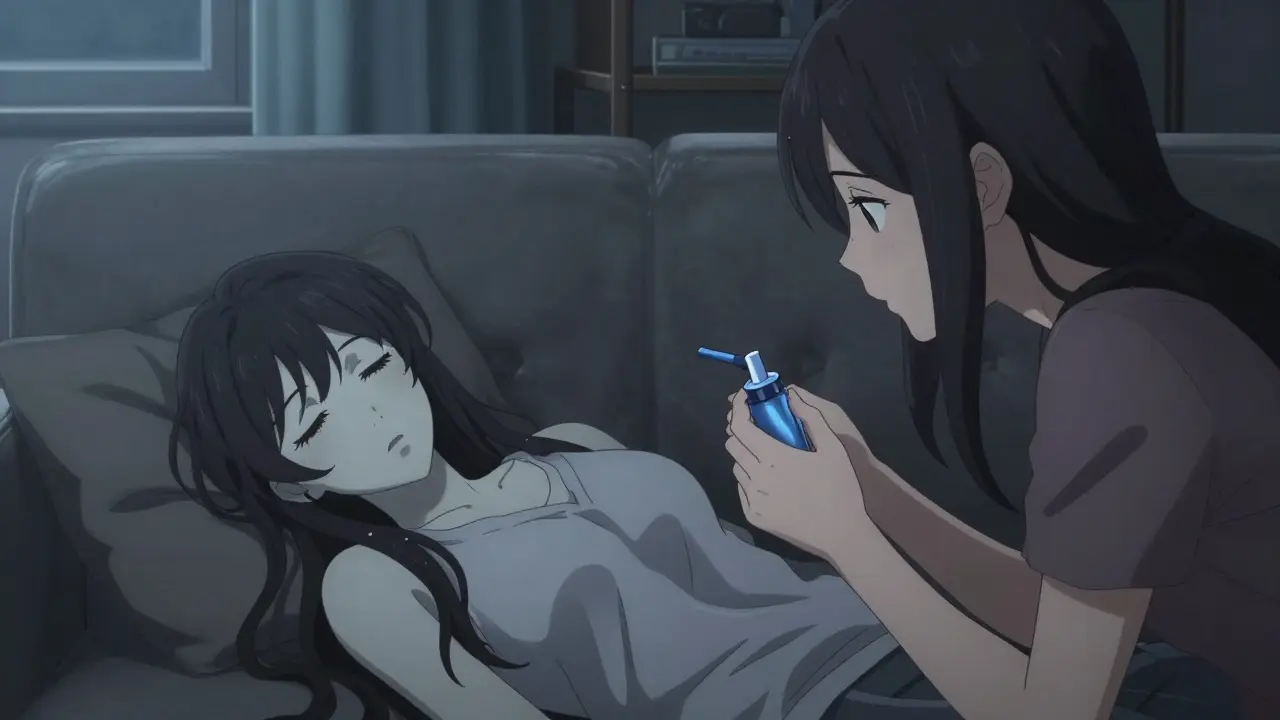
Imagine you are sitting with a friend who has just taken their prescribed pain medication. They seem fine at first, but then their breathing slows down. Their skin turns pale. You shake them, but they don't wake up. In those critical seconds, panic can take over. But if you have a naloxone readiness plan, you know exactly what to do. You call emergency services, administer the antidote, and keep them breathing until help arrives. This isn't just a hypothetical scenario; it is a reality for many people living with or caring for someone using opioids.
Naloxone is not a magic cure-all, but it is a powerful tool that can reverse an opioid overdose in minutes. However, having the drug in your cabinet is only half the battle. The other half is knowing how to use it effectively, understanding its limitations, and preparing for the aftermath. This guide breaks down everything you need to create a robust safety plan for patients on opioids, drawing from current medical guidelines and real-world data from 2023 to 2026.
Understanding Naloxone: More Than Just a Spray
To build a effective plan, you first need to understand the tool itself. Naloxone is an opioid antagonist medication that rapidly reverses the effects of opioid overdose by blocking opioid receptors in the brain. Developed in 1961 and approved by the FDA in 1971, it works by displacing opioids like morphine, fentanyl, or oxycodone from the mu-opioid receptors in the brain. It binds to these receptors with 50 to 100 times greater affinity than morphine, essentially kicking the opioid off and restoring normal breathing within 2 to 3 minutes.
It is crucial to know that naloxone has no effect on non-opioid overdoses. If someone has overdosed on alcohol or benzodiazepines, naloxone will do nothing. Furthermore, it cannot cause harm if given to someone who does not have opioids in their system. This safety profile makes it ideal for widespread distribution. Since March 2023, the FDA has allowed the first over-the-counter naloxone nasal spray (NARCAN®) to be sold without a prescription, marking a major shift in accessibility. Before this, most people relied on prescriptions or community programs.
There are different formulations available today. The most common for layperson use is the pre-filled nasal spray, which delivers 4mg of naloxone. Intramuscular injections (0.4mg vials) are also used but require more technical skill. Auto-injectors like Evzio exist but are significantly more expensive and less common for home use. For a readiness plan, the nasal spray is generally recommended because it is easy to use, requires no needles, and has a long shelf life.
The Core Components of a Naloxone Readiness Plan
A readiness plan is not just about buying a kit. It is a structured approach to prevention, recognition, and response. According to guidelines from the American Academy of Family Physicians and state health departments like Wisconsin's Dose of Reality program, an effective plan includes several key elements.
- Accessibility: Naloxone must be within 30 seconds of reach during an emergency. Do not lock it away in a safe or a high shelf. Keep it in a central location where everyone in the household knows it is stored.
- Quantity: One dose may not be enough. Current standards recommend keeping at least two doses on hand. This could mean two 4mg nasal sprays or four 0.4mg intramuscular vials. Rural areas often need even more due to longer emergency response times, which average 23.4 minutes compared to 8.7 minutes in urban centers.
- Training: Possession does not equal proficiency. Data shows that 20 minutes of hands-on training achieves 92.4% correct administration technique. Without practice, stress can lead to mistakes, such as failing to fully insert the nasal spray or pressing the plunger firmly enough.
- Emergency Contact Protocol: Your plan must include calling 911 (or your local emergency number) immediately. Naloxone is a bridge, not a cure. It buys time, but professional medical care is always required.
You should also consider workplace readiness. With workplace overdose deaths increasing by 619% since 2011, organizations with more than 15 employees are increasingly encouraged to have naloxone kits available. If you work in an office, warehouse, or construction site, ask your employer about their naloxone policy.
Recognizing Overdose Signs Quickly
Time is the most critical factor in an overdose situation. Brain damage can begin within minutes if oxygen levels drop too low. Studies show that oxygen saturation can fall below 90% in under three minutes during an opioid overdose. Therefore, recognizing the signs early is vital.
The classic triad of opioid overdose symptoms includes:
- Unresponsiveness: The person cannot be woken up, even with loud shouting or firm shaking.
- Respiratory Depression: Breathing is slow (less than 10 breaths per minute), irregular, or has stopped entirely. You might hear gurgling or snoring sounds, which indicate airway obstruction.
- Pinpoint Pupils: The pupils are constricted to tiny dots, though this sign is less reliable with synthetic opioids like fentanyl.
If you see these signs, assume it is an overdose. Do not wait to check for a pulse or try to diagnose other conditions. Start your readiness plan immediately. Remember, naloxone is safe to administer even if you are unsure. If it is not an opioid overdose, nothing bad will happen. If it is, you could save a life.
Step-by-Step Administration Guide
When the moment comes, follow these steps precisely. Practice them beforehand so they become muscle memory.
- Call Emergency Services: Dial 911 before doing anything else. Tell them you suspect an opioid overdose and that you have naloxone.
- Check Responsiveness: Shake the person's shoulders and shout their name. If there is no response, proceed to the next step.
- Administer Naloxone:
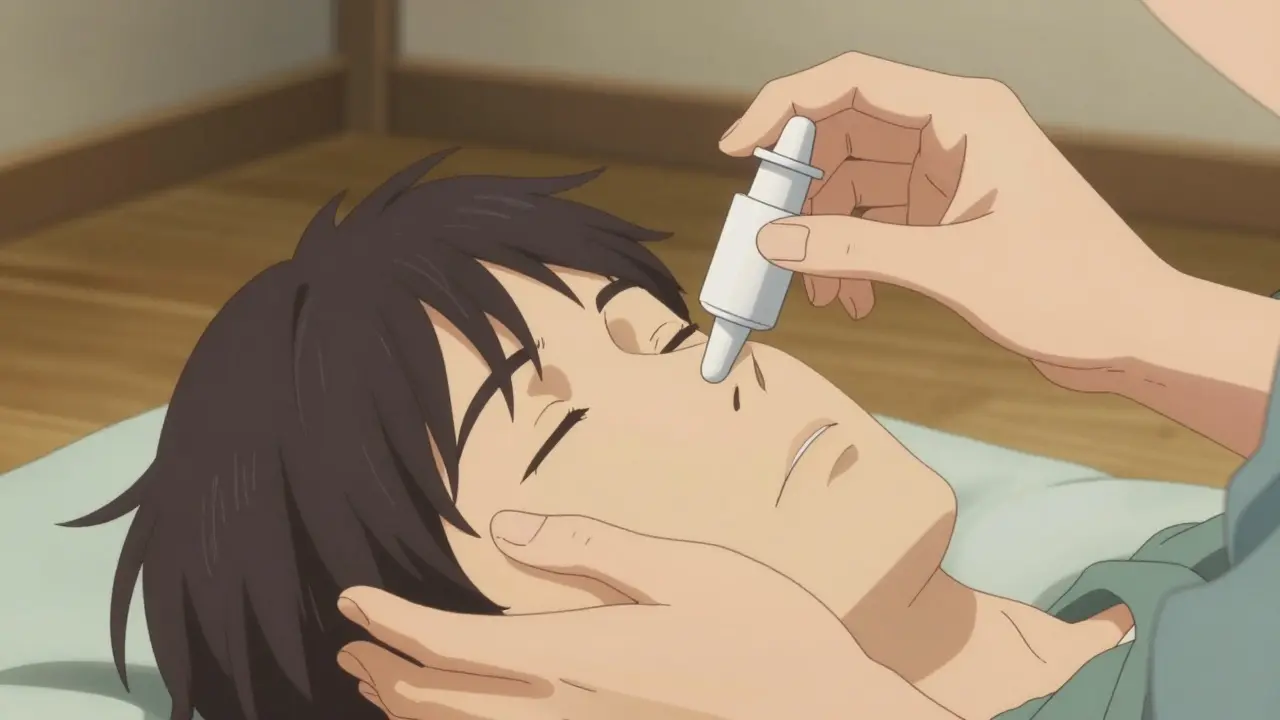
- Nasal Spray: Remove the device from its packaging. Tilt the person's head back slightly. Insert the nozzle into one nostril. Press the plunger firmly all the way down. Remove the device after one second.
- Intramuscular Injection: Use the outer thigh. Inject at a 90-degree angle. Do not massage the area afterward.
- Provide Rescue Breathing: If the person is not breathing, start rescue breathing immediately. Give one breath every 5 seconds. Tilt their head back and lift their chin to open the airway. Cover their mouth and blow gently. This is critical because naloxone takes a few minutes to work, and the brain needs oxygen now.
- Monitor and Repeat: Wait 2 to 3 minutes. If there is no response, administer a second dose. You may need up to three doses, especially if potent synthetic opioids like fentanyl are involved. Fentanyl is 50 to 100 times more potent than morphine, often requiring higher naloxone doses (up to 10mg) to reverse.
- Recovery Position: If the person starts breathing, place them in the recovery position (on their side) to prevent choking on vomit.
Do not leave the person alone. Stay with them until emergency responders arrive. Monitor their breathing closely.
The Danger of Renarcotization
This is the part many people miss. Naloxone's duration of action is short-typically 30 to 90 minutes. Most opioids, especially extended-release formulations or long-acting drugs like methadone, last much longer. This means the opioid can re-bind to the receptors after the naloxone wears off, causing the person to slip back into respiratory depression. This phenomenon is called renarcotization.
Because of this risk, you must monitor the patient for at least 2 to 3 hours after administering naloxone. Even if they appear fully awake and alert, they are still at risk. This is why calling 911 is non-negotiable. Paramedics can provide continuous monitoring and additional doses if needed. Never assume the crisis is over just because the person woke up.
Cost, Access, and Legal Protections
Financial barriers can hinder readiness. A single NARCAN® nasal spray can cost between $130 and $150 without insurance. Intramuscular vials are cheaper, around $25 to $40 per dose. However, many states have implemented standing orders that allow pharmacies to dispense naloxone without a prescription. As of 2023, 47 states have naloxone access laws, and 33 have standing orders. Check your local regulations. Some community health centers offer free naloxone kits. In South Carolina, for example, over 12,000 free kits were distributed in early 2023 alone.
Legally, you are protected. Good Samaritan laws in most jurisdictions protect bystanders who administer naloxone in good faith. You cannot be charged with possession or aiding and abetting simply for helping someone in an overdose. These laws are designed to encourage intervention, not punish it.
| Feature | Nasal Spray (e.g., NARCAN) | Intramuscular Injection (Vial/Syringe) | Auto-Injector (e.g., Evzio) |
|---|---|---|---|
| Dosage | 4mg per spray | 0.4mg per vial (often need 2+) | 4mg per injection |
| Ease of Use | High (no needles) | Medium (requires injection skill) | High (automated) |
| Cost (Approx.) | $130 - $150 | $25 - $40 per dose | $3,200+ |
| Shelf Life | 18 - 24 months | Varies by manufacturer | Varies by manufacturer |
| Best For | Laypersons, families, workplaces | Trained responders, clinics | Those preferring automated delivery |
Addressing Stigma and Communication
Despite the clear benefits, stigma remains a major barrier. Only 32.4% of primary care physicians routinely discuss naloxone with high-risk patients, according to 2022 survey data. Many patients feel ashamed or fear legal repercussions. As a caregiver or family member, your role is to normalize this conversation. Frame naloxone as a safety measure, similar to a fire extinguisher or a seatbelt. It is not an admission of failure; it is a proactive step toward health and safety.
Talk openly with your loved ones about their risks. Ask them if they have a plan. Offer to buy the kit together. Make it a shared responsibility. When you remove the shame, you increase the likelihood that the plan will be followed in an emergency.
Maintenance and Updates
Your readiness plan is not set-and-forget. Naloxone expires. Check the expiration date on your kit every six months. Replace it if it is close to expiring. Also, review your plan annually. Have you moved? Has the person's medication changed? Are new synthetic opioids appearing in your area? Stay informed. Local health departments often publish updates on the drug supply. For instance, the rise of carfentanil and fentanyl analogs has changed dosing recommendations in recent years.
Consider taking a refresher course. The National Safety Council and other organizations offer online training modules. Spending 20 minutes a year reviewing the steps can boost your confidence and ensure you are ready when it matters most.
How long does naloxone last in the body?
Naloxone typically lasts between 30 and 90 minutes. This is often shorter than the duration of the opioid causing the overdose. Because of this, multiple doses may be needed, and the person must be monitored for at least 2 to 3 hours after administration to watch for renarcotization, where the opioid effects return as the naloxone wears off.
Can I give naloxone to someone who is not overdosing?
Yes. Naloxone has no effect on people who do not have opioids in their system. It will not cause harm, addiction, or any negative side effects in someone without opioids. It is safe to administer if you are unsure whether an overdose is occurring.
What should I do if the first dose of naloxone doesn't work?
Wait 2 to 3 minutes. If there is no response, administer a second dose. You may need up to three doses, especially if potent synthetic opioids like fentanyl are involved. Continue rescue breathing throughout this process. Always call emergency services immediately, as professional medical help is essential.
Is naloxone available over the counter?
Yes. As of September 2023, the FDA approved the first over-the-counter naloxone nasal spray (NARCAN®). It can be purchased at major pharmacy chains without a prescription. Additionally, many states have standing orders allowing pharmacies to dispense naloxone without an individual prescription, and some community programs offer it for free.
Does naloxone work on all types of opioids?
Naloxone works on all opioids, including prescription painkillers like oxycodone and heroin. However, potent synthetic opioids like fentanyl and carfentanil may require higher doses or multiple administrations to reverse the overdose. It does not work on non-opioid substances like alcohol or benzodiazepines.
Am I legally protected if I administer naloxone?
In most jurisdictions, yes. Good Samaritan laws protect individuals who administer naloxone in good faith during an emergency. You generally cannot be charged with possession or aiding and abetting for helping someone in an overdose. These laws are designed to encourage bystander intervention.

Mike Crump
June 3, 2026 AT 22:59Samantha Arbuckle
June 4, 2026 AT 13:11Stephanie Francis
June 6, 2026 AT 03:10Daniel Tremblay
June 6, 2026 AT 22:15Henri-Paul Soulodre
June 8, 2026 AT 08:35Mark Hogan
June 10, 2026 AT 02:10ANGELA CHINENYE
June 11, 2026 AT 15:49Aishwarya Thankachan
June 13, 2026 AT 11:10Jerry Mathews
June 14, 2026 AT 17:20