FDA Safety Alerts: How Generic Drug Warnings Work and Why They Matter
 May, 10 2026
When you pick up a prescription at the pharmacy, there is a good chance it is not the brand-name drug your doctor originally prescribed. Instead, you get a generic drug, which is a medication that has the same active ingredient, dosage form, strength, and route of administration as the brand-name product but costs significantly less. This switch saves the healthcare system billions of dollars every year. But have you ever wondered what happens if a serious safety issue is discovered after that generic drug hits the market? Who updates the warning label? And how do you know if the alert applies to the pill in your hand?
The answer is complicated, largely because of how U.S. law treats generic manufacturers differently from brand-name companies. Understanding this gap is crucial for anyone taking prescription medication. It affects everything from your right to know about side effects to the legal liability of the companies making your medicine.
The Regulatory Gap: Brand-Name vs. Generic Labeling
To understand why generic drug safety alerts are so tricky, you first need to look at the Hatch-Waxman Act, enacted in 1984. This landmark legislation was designed to balance two competing goals: encouraging pharmaceutical innovation by protecting brand-name patents while promoting competition by allowing cheaper generics to enter the market once those patents expired.
Under this framework, generic drugs must be "bioequivalent" to their brand-name counterparts. This means they must deliver the same amount of active ingredient into the bloodstream over the same period. However, the law also requires that generic labeling match the brand-name labeling exactly. This is known as the "sameness" requirement.
Here is where the problem arises. Brand-name manufacturers can use a process called "Changes Being Effected" (CBE) to update their own safety warnings immediately when new risks emerge. They notify the FDA within 30 days of making the change. Generic manufacturers, however, cannot independently add new warnings or strengthen existing ones without prior FDA approval. They are stuck waiting for the brand-name company to update its label or for the FDA to mandate a change across all products.
This creates a dangerous lag time. If a brand-name company decides not to update its label-perhaps due to legal strategy or disagreement with the science-the generic manufacturer is legally barred from adding that warning, even if they believe it is necessary for patient safety.
How the FDA Monitors Generic Drug Safety
So, if generics can't update their own labels, how does the FDA ensure they remain safe? The agency relies on a robust postmarketing surveillance system centered around the MedWatch Program, established in 1993 to collect reports of adverse events and product problems from health professionals, manufacturers, and consumers.
The FDA's Office of Generic Drugs (OGD), part of the Center for Drug Evaluation and Research (CDER), actively monitors data from the FDA Adverse Event Reporting System (FAERS). Staff members screen these reports monthly to identify potential safety signals. For example, when the first generic version of Rexulti entered the market, OGD staff conducted proactive pharmacovigilance screening during its first year. In that specific case, no quality or safety signals were detected, demonstrating the system working as intended.
However, monitoring is not always straightforward. Generic drugs may differ from brand-name drugs in inactive ingredients, known as excipients. These include colors, flavors, preservatives, and binders. While generally safe, differences in excipients can sometimes affect stability or cause allergic reactions in sensitive individuals. Dr. Xin Fu, an expert in excipient safety assessment at the FDA, notes that changes in these non-active components can alter the safety profile under specific contexts of use, such as different doses or patient populations.
The Debate Over Extending CBE Rights to Generics
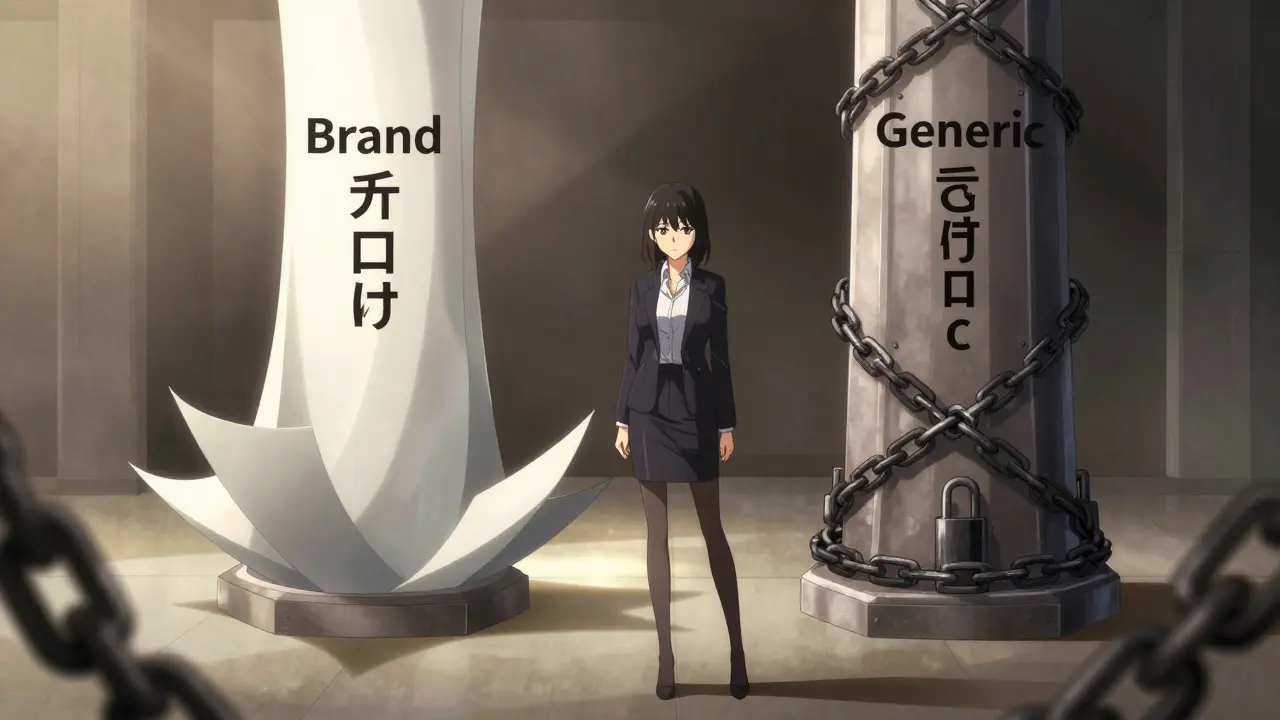
In 2013, the FDA proposed a rule that would allow generic manufacturers to use the same CBE process as brand-name companies. This proposal has sparked intense debate that continues to this day, with no final rule published as of 2026.
The Case for Change: Consumer health organizations argue that patients deserve accurate, up-to-date safety information regardless of whether their drug is branded or generic. A coalition of 27 consumer groups submitted a statement to the American Association for Justice (AAJ) in 2022, stating that requiring all prescription drugs to carry current warnings is essential for improving safety and efficacy. Their argument is simple: if a risk is identified, every patient should know about it immediately, not months later while waiting for regulatory approval.
The Industry Pushback: On the other side, the Generic Pharmaceutical Association (GPhA) strongly opposes the change. David Gaugh, Senior Vice President for Sciences and Regulatory Affairs at GPhA, argues that extending CBE rights would contradict the Hatch-Waxman Act's goal of encouraging competition. He warns that it could drive smaller competitors out of the market by imposing excessive regulatory burdens.
Furthermore, generic manufacturers fear increased liability. Currently, brand-name companies bear the brunt of lawsuits related to inadequate warning labels. If generics gain the power to change labels unilaterally, they may also become targets for litigation if those changes are deemed insufficient or incorrect. This legal uncertainty makes many generic producers hesitant to support the reform.
| Feature | Brand-Name Manufacturer | Generic Manufacturer |
|---|---|---|
| Ability to Update Warnings | Yes, via CBE process | No, requires prior FDA approval |
| Labeling Requirement | Must reflect current scientific knowledge | Must match brand-name label exactly |
| Liability Risk | High (primary target for lawsuits) | Lower (protected by sameness doctrine) |
| Excipient Control | Full control over formulation | Limited; must match RLD except for minor variations |
Complex Generics and Unique Safety Challenges
Not all generic drugs are created equal. Some fall into the category of "complex generic drug products." These include medications with complex active ingredients, specialized formulations, unique routes of delivery (like transdermal patches), or extended-release mechanisms.
For these products, ensuring bioequivalence is much harder. Small differences in manufacturing processes or excipients can significantly impact how the drug is absorbed. The FDA recognizes this and applies stricter oversight to complex generics. For instance, generic ophthalmic (eye drops) and otic (ear drops) products must contain the same excipient concentrations as the reference listed drug, with very few exceptions allowed for buffers or preservatives.
This complexity adds another layer to safety communications. If a safety issue arises with a complex generic, it might not affect the brand-name equivalent in the same way. Therefore, broad safety alerts issued for the brand-name drug may not accurately reflect the risk profile of the generic version, creating confusion for doctors and patients alike.
What You Can Do as a Patient
Given these regulatory complexities, being an informed patient is more important than ever. Here are practical steps you can take to stay safe:
- Check the NDC Number: Every drug package has a National Drug Code (NDC). Use the FDA’s BeSafeRx website or mobile app to verify the drug's authenticity and check for recent recalls or safety alerts specific to that manufacturer.
- Report Side Effects: If you experience unexpected symptoms, report them through the MedWatch program. Your report contributes to the data the FDA uses to detect safety signals. You can submit reports online, by mail, fax, or phone.
- Talk to Your Pharmacist: Pharmacists are often the first line of defense. Ask them if any recent safety alerts apply to your medication. They can also tell you if your generic is therapeutically equivalent to the brand-name drug.
- Read the Medication Guide: Even though generic labels mirror brand-name labels, read the provided Medication Guide carefully. Look for sections on "Warnings and Precautions" and "Adverse Reactions."
The Future of Generic Drug Safety
As the market for generic drugs matures, the proportion of complex generics is increasing. This trend places greater demand on the FDA’s surveillance capabilities. Industry observers anticipate that the ongoing debate over CBE rights will eventually lead to some form of compromise or legislative action.
Some experts suggest a middle ground: allowing generic manufacturers to request expedited review for safety-related label changes rather than granting full unilateral authority. Others propose strengthening the FDA’s ability to mandate simultaneous label updates for both brand-name and generic products when new risks are identified.
Regardless of the outcome, one thing is clear: the current system relies heavily on vigilance from multiple stakeholders-manufacturers, regulators, healthcare providers, and patients. Until the regulatory framework evolves to close the labeling gap, understanding how safety alerts work remains a critical part of managing your health.
Can generic drug manufacturers update their own safety warnings?
Currently, no. Under the Hatch-Waxman Act, generic manufacturers must keep their labeling identical to the brand-name drug. They cannot independently add new warnings or strengthen existing ones without prior approval from the FDA, unlike brand-name companies who can use the Changes Being Effected (CBE) process.
Are generic drugs as safe as brand-name drugs?
Yes, FDA-approved generic drugs meet the same high standards for quality, strength, purity, and stability as brand-name drugs. They must be bioequivalent, meaning they perform identically in the human body. However, they may differ in inactive ingredients (excipients), which rarely can cause issues for sensitive individuals.
What is the MedWatch program?
MedWatch is the FDA’s safety information and adverse event reporting program. It allows healthcare professionals, manufacturers, and consumers to report negative experiences with medicines, medical devices, and other regulated products. The FDA uses this data to monitor safety and issue alerts when necessary.
Why is there a debate about changing generic drug labeling laws?
Consumer groups argue that patients deserve immediate access to updated safety information, regardless of whether the drug is generic. Generic manufacturers oppose changes, citing concerns about increased liability, regulatory burden, and potential disruption to the competitive market structure established by the Hatch-Waxman Act.
What are "complex generic drug products"?
Complex generics are medications with intricate formulations, such as transdermal patches, inhalers, or extended-release injectables. Ensuring bioequivalence for these products is more challenging than for simple pills, requiring specialized safety monitoring and stricter regulatory oversight by the FDA.
