Preparing for Doctor Appointments: What to Bring and Discuss
 Dec, 2 2025
Medication List Generator
Your Medication List
Create a complete, accurate list of all medications you take. This helps prevent errors and ensures your doctor has the right information.
Your Prepared List
Walking into a doctor’s office without being prepared is like showing up to a job interview without a resume. You might get through it, but you’re leaving valuable time, clarity, and even safety on the table. Doctor appointments are short-often 15 to 20 minutes-and if you don’t bring the right information, you risk missing critical details about your health. The good news? A little prep work can make a huge difference. Patients who come ready with a clear list of symptoms, medications, and questions resolve up to 89% of their main concerns, according to St. Joseph Hospital Bangor’s research. Those who don’t? They often leave with half the answers they came for.
What to Bring to Your Appointment
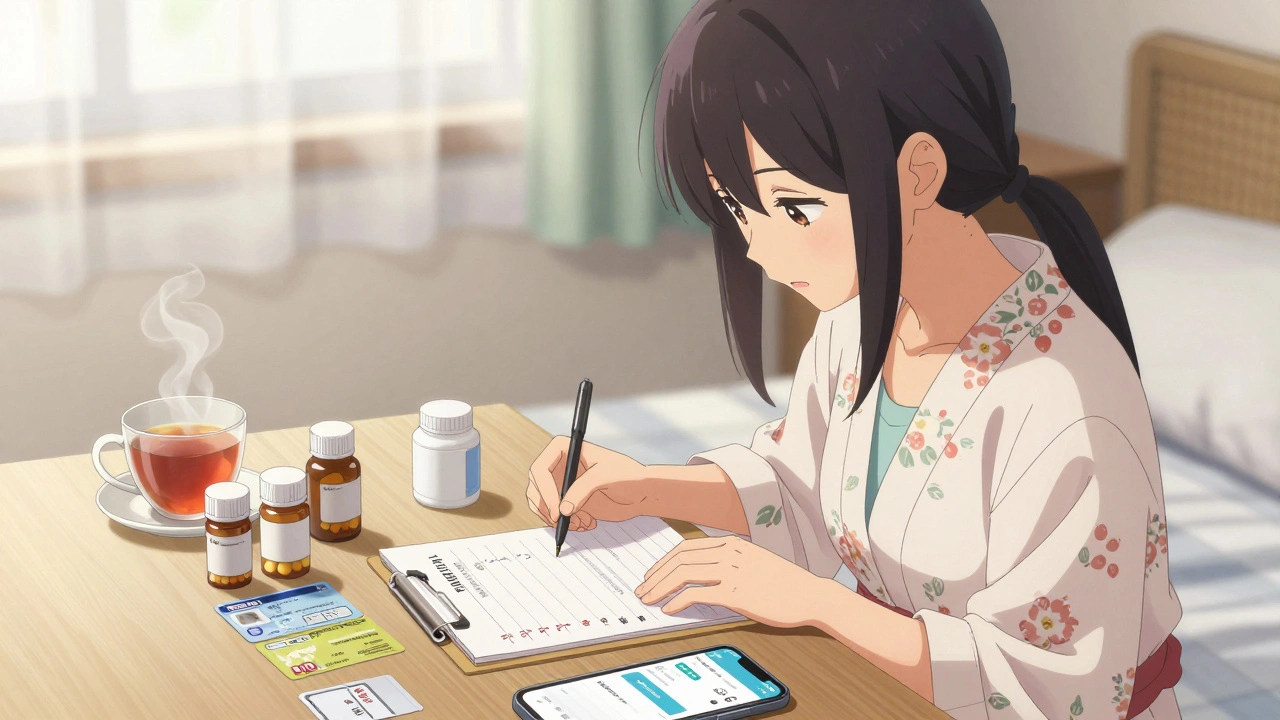
You don’t need to carry a suitcase, but you do need to bring the essentials. Missing one item can delay diagnosis, cause medication errors, or lead to unnecessary tests. Here’s what to pack:
- Current medication list - This isn’t just a mental note. Write down every pill, patch, liquid, or supplement you take. Include the name (like "Lisinopril 10mg"), how much you take ("1 tablet"), how often ("once daily"), why you take it ("for high blood pressure"), and who prescribed it ("Dr. Chen"). Don’t forget over-the-counter drugs like ibuprofen or antacids, and vitamins like vitamin D or fish oil. Mayo Clinic found that 37% fewer medication errors happen when patients bring a written list.
- Insurance card and photo ID - Hospitals and clinics need to verify your coverage and identity. Even if you’ve been going there for years, policies change. Bring the physical card or a clear photo of it on your phone.
- Family health history - Write down major conditions in close relatives: parents, siblings, children. Note what they had (diabetes, heart disease, cancer), at what age, and if they’re still alive. Mayo Clinic specifically asks for three generations of history because some conditions skip generations or show up differently in men and women.
- Medical records or test results - If you had blood work, an X-ray, or a specialist visit since your last appointment, bring the reports. Don’t assume your doctor has them. Many systems don’t talk to each other, and your provider may not have access.
- Questions written down - Don’t rely on memory. Write your top 3-5 concerns. Start with the biggest one. Example: "My knee has been hurting for 5 months, especially when I walk up stairs. What could this be?"
Some clinics, like Cleveland Clinic, now require digital check-ins through apps like MyChart. If your provider uses one, log in 30 minutes early to complete forms and upload documents. It saves time and reduces errors. Aurora Health Care also asks for completed forms ahead of time-check your email before your visit.
What to Talk About: 12 Key Topics You Can’t Skip
Doctors can’t read your mind. Even if you feel fine, there are topics that can uncover hidden risks. Here’s what to bring up-no matter how awkward it feels.
- All symptoms, even "minor" ones - Fatigue, brain fog, night sweats, constipation, or trouble sleeping aren’t just "part of aging." Note when they started, how often they happen, how bad they are (use a 1-10 scale), and what makes them better or worse. AdventHealth’s data shows patients who track these details get faster, more accurate diagnoses.
- Alcohol and drug use - Be honest. Say: "I have 2 drinks on weekends," or "I used to smoke a pack a day for 15 years, quit in 2022." Doctors need this to assess liver health, cancer risk, or interactions with medications. HIPAA protects your privacy-this isn’t judgment, it’s care.
- Exercise habits - Don’t say "I’m active." Say: "I walk 30 minutes every morning," or "I go to the gym twice a week." Specifics help doctors recommend the right level of activity for your condition.
- As-needed medications - These are easy to forget. If you use an inhaler for asthma, nitroglycerin for chest pain, or Benadryl for allergies, mention them. AdventHealth found that 40% of patients leave these off their lists-even though they’re critical in emergencies.
- Changes in mood or mental health - Feeling down, anxious, or overwhelmed? Say it. Depression and anxiety affect heart health, diabetes control, and pain tolerance. Your doctor can’t help if they don’t know.
- Recent life changes - A new job, divorce, death in the family, or moving to a new city can trigger stress-related symptoms. These aren’t "just life"-they’re medical factors.
- Medication side effects - If you feel dizzy after taking your pill, or your stomach hurts, say so. Many patients stop meds because of side effects but never tell their doctor. That’s dangerous.
- Alternative treatments - If you’re taking herbal supplements, doing acupuncture, or using CBD oil, mention it. Some herbs interact with blood thinners, blood pressure meds, or chemotherapy drugs.
- What you’re not doing - Are you skipping your blood pressure pill because you feel fine? Are you avoiding exercise because you’re scared it’ll hurt? Be honest. Your doctor can adjust your plan.
- Cost concerns - If a test or prescription is too expensive, say so. There are often cheaper alternatives, patient assistance programs, or generic options. You’re not being rude-you’re being smart.
- Follow-up needs - Don’t wait for your doctor to say when to come back. Ask: "When should I return?" "Do I need a repeat test?" "Who do I call if this gets worse?"
- The "what if" question - Ask: "What would you recommend if I were your mother/father/sibling?" This simple question often leads to the most honest, personalized advice.
How to Make Your Medication List Accurate
Medication errors are one of the leading causes of preventable hospital visits. A Mayo Clinic audit found that 45% of patients bring inaccurate or incomplete lists to their appointments. Here’s how to fix that:
- Check your pill bottles. Write down every item exactly as it appears on the label.
- Call your pharmacy. They can print you a full list of everything filled in the last year.
- Use your phone’s notes app or a free tool like MyHealthChecklist from the Institute for Healthcare Improvement. It lets you input meds, doses, and reasons, then exports a clean list.
- Update it every time you start, stop, or change a medication-even if it’s just a one-time antibiotic.
- Bring the actual bottles if you can. Sometimes the label says "5mg," but you’re taking 10 because your doctor changed it and forgot to update the bottle.
Some apps now sync with pharmacy records. Mayo Clinic’s app, for example, pulls in prescriptions from 27 major chains and links to Apple Health or Google Fit. If your clinic offers something similar, use it.

Why Preparation Saves Time-and Maybe Your Life
When patients come prepared, appointments get faster and more effective. Aurora Health Care tracked over 1,200 visits and found that well-prepared patients saved an average of 14.7 minutes per visit. That’s time not wasted repeating information, calling pharmacies, or scheduling follow-ups.
But it’s more than time. It’s safety. Cleveland Clinic found that patients who used their AppointmentPass® system had 19% more complete documentation. That means fewer missed diagnoses, fewer wrong prescriptions, and fewer emergency visits down the road.
And it’s not just about the visit. Preparation helps you stay in control. When you know what to ask, you stop feeling powerless. You become a partner in your care-not just a patient.
What If You Forget Something?
It happens. You walk in and realize you didn’t bring your pill bottles. You forgot to write down your symptoms. Don’t panic. Say: "I didn’t have time to bring my full list, but here’s what I remember." Most doctors will still work with you.
Many clinics now let you upload documents after your visit through secure portals. If you forgot your family history, email it the next day. If you remembered a symptom later, send a message through your patient portal. Doctors appreciate follow-up-it shows you care.
But don’t make this a habit. The goal is to be ready before you walk in. Because when you’re prepared, your doctor can focus on helping you-not trying to guess what’s wrong.
What’s New in 2025: AI and Digital Tools
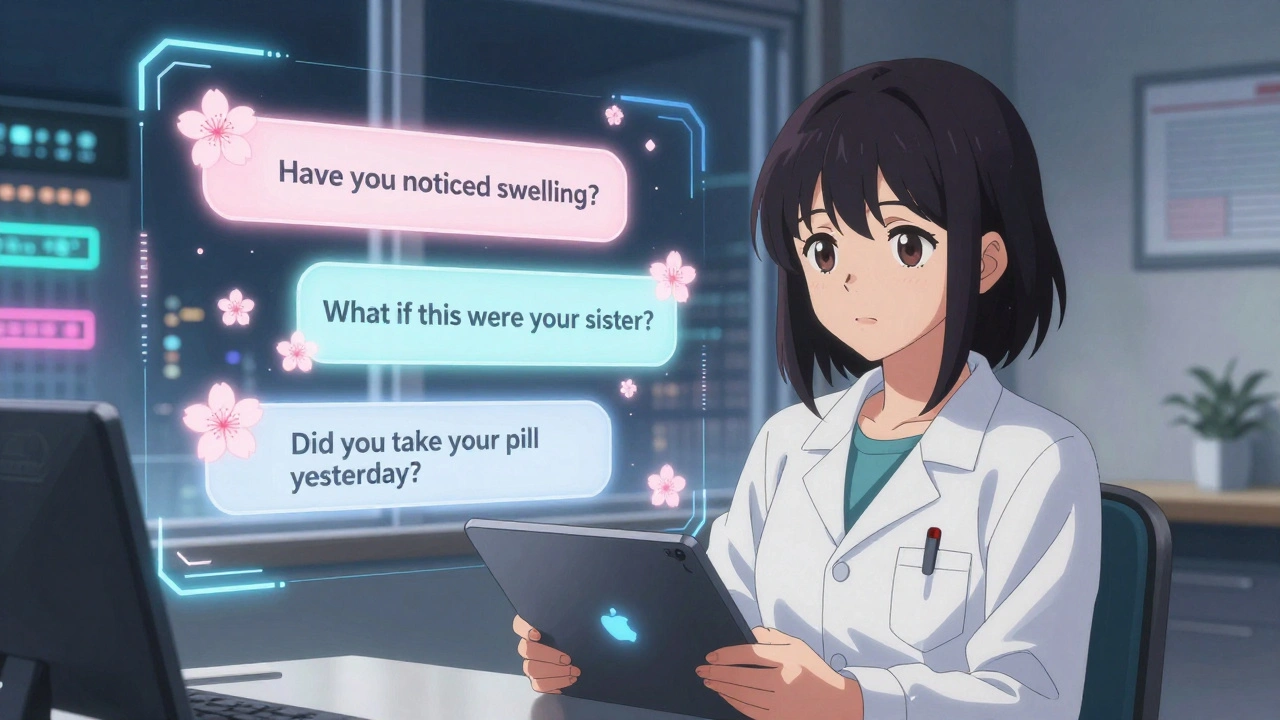
Health systems are getting smarter. By 2025, most major clinics will use AI tools to help you prepare. AdventHealth’s LiveWell platform already analyzes your past visits and suggests questions based on your history. "You’ve had high blood pressure for 8 years. Have you noticed swelling in your legs?"
Cleveland Clinic now predicts your wait time with 87% accuracy and sends you a reminder to upload your meds 48 hours before your visit. Mayo Clinic is testing an AI assistant that will scan your electronic records and generate a personalized list of questions-like "Ask about your cholesterol trend over the last 3 years."
These tools aren’t replacing you-they’re helping you be more effective. If your clinic offers them, use them. They’re free, secure, and designed to make your appointment better.
Final Tip: Treat Your Appointment Like a Meeting
You wouldn’t go to a job interview without researching the company. Don’t go to your doctor without researching your own health. Write down your concerns. Bring your list. Ask your questions. Take notes. Follow up.
Your health isn’t something you wait for. It’s something you manage. And the best tool you have? A well-prepared you.
What if I don’t have a list of my medications?
Call your pharmacy-they can print a full list of all your prescriptions from the last year. You can also check your insurance portal or use apps like MyChart or Apple Health to pull in your meds. If nothing else, bring the pill bottles from your medicine cabinet. Even a partial list is better than nothing.
Should I bring my supplements and vitamins?
Yes. Many supplements interact with prescription drugs. For example, St. John’s Wort can reduce the effect of blood thinners, and high-dose vitamin K can interfere with warfarin. Even if you think they’re "natural" or "harmless," your doctor needs to know.
How do I know what questions to ask?
Start with your biggest concern. Then ask: Why is this happening? What are my options? What are the risks? What happens if I don’t do anything? And always ask: What would you recommend if this were your family member? These questions cover the essentials.
Can I bring a friend or family member?
Absolutely. Many patients feel overwhelmed and forget key details. A second set of ears helps. Just let your doctor know someone is with you so they can include them in the conversation. Privacy rules still apply, but most providers welcome support.
What if my doctor doesn’t seem to listen?
If you feel dismissed, speak up calmly: "I’m concerned about this symptom because it’s affecting my daily life. Can we explore this further?" If the pattern continues, it’s okay to seek a second opinion or find a new provider. Your health matters too much to settle for being unheard.
Do I need to prepare differently for a specialist?
Yes. Specialists need more focused info. For example, if you’re seeing a cardiologist, bring your blood pressure logs, ECG reports, and details about chest pain. If it’s a neurologist, track your headaches or dizziness with dates and triggers. Always ask your primary doctor what to send ahead.
How far in advance should I start preparing?
Start 3-5 days before. Gather your meds, write down symptoms, and think about your questions. If your clinic uses an online portal, upload documents 24-48 hours ahead. Waiting until the day of your appointment increases stress and the chance of forgetting something important.
Next Steps: Make This a Habit
Don’t wait until your next appointment to prepare. Right now, open your notes app or grab a piece of paper. List your current meds. Write down one symptom you’ve been ignoring. Think of one question you’ve been too busy to ask.
Do that today. Then do it again before every visit. Over time, this becomes second nature. And when you’re prepared, you’re not just a patient-you’re in charge of your health.

Kevin Estrada
December 4, 2025 AT 02:05Katey Korzenietz
December 5, 2025 AT 22:25Chris Jahmil Ignacio
December 7, 2025 AT 01:14Paul Corcoran
December 7, 2025 AT 12:35Stacy Natanielle
December 9, 2025 AT 02:27kelly mckeown
December 9, 2025 AT 14:20Tom Costello
December 10, 2025 AT 15:16Justin Hampton
December 10, 2025 AT 18:34Pooja Surnar
December 12, 2025 AT 11:36Sandridge Nelia
December 14, 2025 AT 08:21