Medical Tourism and Medication Safety: What You Must Know Before You Travel
 Jan, 8 2026
More than 14 million people travel abroad each year for medical care. They’re going to Thailand for knee replacements, India for heart surgery, Mexico for dental work, and Turkey for hair transplants-all because it’s cheaper, faster, or offers treatments not available at home. But here’s the part no one talks about until it’s too late: medication safety is one of the biggest hidden risks in medical tourism.
You might get a flawless surgery in a clean, JCI-accredited hospital in Seoul. But what happens when you land back in New Zealand, Canada, or the UK with a prescription written in Korean, filled with pills from a local pharmacy that doesn’t follow your country’s standards? That’s where things go wrong.
Why Medication Safety Is a Silent Crisis in Medical Tourism
The World Health Organization estimates that 1 in 10 medical products in low- and middle-income countries are substandard or fake. That’s not a rumor-it’s a documented risk. And while you’re focused on saving 60% on your procedure, you’re not thinking about whether the antibiotics you’re given are real, whether the painkillers have the right dosage, or whether the blood thinner you’re prescribed is even approved in your home country.
Take this real example: A Canadian patient gets a hip replacement in India. The hospital prescribes a specific anticoagulant to prevent clots. When they return home, their pharmacist can’t find an equivalent. The drug isn’t approved by Health Canada. The doctor back home doesn’t know how to monitor it. So they switch to a different blood thinner-but without knowing the exact dosing schedule used overseas, they risk underdosing (leading to clots) or overdosing (leading to bleeding).
This isn’t rare. DelveInsight reports that 26% of medical tourists face follow-up care issues-and most of them involve medication. It’s not just about getting the right pills. It’s about knowing how they were made, stored, and prescribed.
How Drug Regulations Differ Around the World
Every country has its own rules for what drugs are allowed, how strong they can be, and how they’re labeled. In the U.S., the FDA approves drugs after years of testing. In some countries, drugs are approved based on data from other nations-or sometimes with minimal testing at all.
For example:
- In the EU and countries that follow EU standards (like Turkey), pharmaceutical regulations are strict and closely aligned with international norms.
- In parts of Southeast Asia and Latin America, some medications are sold over the counter that require prescriptions elsewhere.
- Some countries allow higher doses of opioids or steroids than what’s legal in North America or Australia.
- Generic drugs may be made with different inactive ingredients-or even different active ingredients-than the brand-name version you’re used to.
And here’s the kicker: many medical tourism packages include medications as part of the deal. You’re given a bottle labeled in Thai, Hindi, or Spanish with no English instructions. You’re told to take two pills after meals. But you don’t know if those pills contain the same active ingredient as the ones you take at home-or if they’re even the same drug entirely.
What Happens When You Get Home?
One of the most common problems? You can’t refill your meds.
You come home with a 30-day supply of a drug that’s not sold in your country. Your doctor doesn’t know what it is. Your pharmacy can’t order it. You’re stuck. Some patients end up going without critical medications for weeks. Others switch to something similar-but without proper transition planning, that can cause side effects, withdrawal, or treatment failure.
It’s worse if you’re on long-term medication for chronic conditions. Say you have diabetes and you get a cosmetic procedure abroad. The hospital gives you a new insulin regimen. Back home, your endocrinologist has no record of it. You’re now on a different type of insulin with a different timing schedule. You don’t realize your blood sugar is dropping too low until you pass out.
And what about supplements? Many medical tourism clinics offer “wellness packages” with herbal extracts, traditional medicines, or unregulated vitamins. These can interact dangerously with your regular medications. A common herbal remedy in India might thin your blood-but you’re already on warfarin. The combination? A hospital trip you didn’t plan for.
How to Protect Yourself Before You Go
You don’t have to avoid medical tourism. But you need to treat medication safety like you’d treat flight safety-check the details before you board.
- Ask for a full medication list-including generic names, dosages, and manufacturer details-before you leave the clinic. Get it in writing, in English.
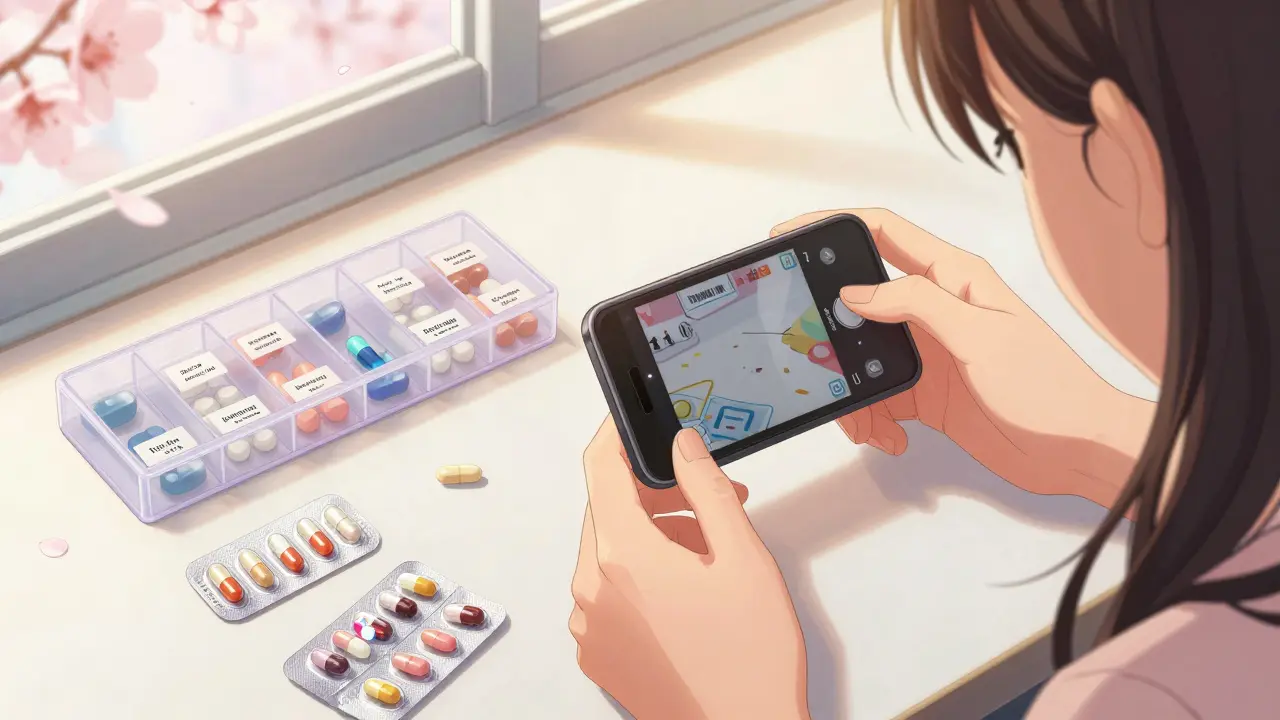
- Take photos of every pill you’re given. Include the packaging, the label, the batch number. This helps your doctor identify it later.
- Consult your doctor back home before you travel. Share the list of procedures and medications you’ll receive. Ask: “Is this drug approved here? Is there a safe alternative?”
- Don’t rely on the clinic’s pharmacy for long-term meds. Ask if you can get a 30-day supply to take home-and then arrange to refill with your own pharmacy once you return.
- Verify the hospital’s accreditation. JCI accreditation is a good sign-but it doesn’t guarantee medication safety. Ask specifically: “Do you follow WHO or ICH guidelines for drug handling and prescribing?”
- Bring a portable pill organizer with your regular meds. Don’t mix them with foreign prescriptions. Keep them separate. Label everything.
What’s Being Done-and What’s Not
Some clinics are starting to catch on. South Korea’s Severance Hospital now uses AI to personalize cancer drug regimens based on genetic testing. That’s great-for precision. But does that data transfer to your home doctor? Probably not.
More clinics are using digital health records. Some even offer telehealth follow-ups. But most don’t share those records with foreign healthcare systems. There’s no global standard for transferring medication histories across borders.
Insurance companies don’t cover it. Governments don’t track it. The CDC’s Yellow Book tells you to travel for medical care-but barely mentions drugs. That’s a dangerous gap.
And while the industry grows-projected to hit $700 billion by 2033-there are almost no specialized roles for cross-border medication safety experts. No one’s trained to help you navigate this.
The Bottom Line: Save Money, But Don’t Risk Your Life
Medical tourism can be smart. It can save you thousands. It can give you access to treatments you can’t get at home. But medication safety isn’t an afterthought. It’s the silent threat behind every international medical trip.
If you’re considering going abroad for care, treat your medications like your passport. You wouldn’t travel without checking its expiration date. Don’t travel without checking your drug safety.
Ask questions. Get everything in writing. Talk to your doctor before you go and after you return. Keep records. Don’t assume a pill that looks the same is the same.
The money you save on surgery could cost you dearly if you end up in the ER because of a drug you didn’t understand.
Can I bring medications I received abroad back to my home country?
It depends. Many countries restrict bringing in medications not approved locally-even if they’re legal in the country you visited. Always check with your country’s health authority (like Health Canada, the FDA, or the TGA in Australia) before bringing drugs home. Some may allow a 30- to 90-day personal supply with a doctor’s note, but others will confiscate them at customs. Never assume it’s allowed.
Are JCI-accredited hospitals safer for medication safety?
JCI accreditation focuses on hospital operations, infection control, and staff training-but it doesn’t guarantee strict pharmaceutical standards. While JCI hospitals usually follow better practices, you still need to ask: Do they use approved drug suppliers? Do they track batch numbers? Do they provide English-language prescribing info? Don’t assume accreditation means medication safety is covered.
What should I do if I can’t find my foreign medication at home?
Don’t stop taking it suddenly. Contact your doctor and bring all packaging, photos, and the original prescription. Your doctor can often find an equivalent drug by matching the active ingredient. If no equivalent exists, they may need to prescribe a different treatment plan. In some cases, your doctor can apply for special access to import the drug legally.
Can herbal supplements from medical tourism clinics be dangerous?
Yes. Many wellness programs include unregulated herbal products that aren’t tested for safety or interactions. A common supplement in Thailand might interfere with blood thinners, blood pressure meds, or chemotherapy drugs. Always disclose every supplement you take-foreign or local-to your doctor. If the clinic doesn’t list ingredients, don’t take it.
How do I know if a medication abroad is fake or substandard?
It’s hard to tell without lab testing. But red flags include: no batch number, misspelled labels, unusual color or smell, packaging that looks cheap or different from what you’ve seen before, or pills that crumble easily. If you’re unsure, don’t take it. Ask the clinic for a certificate of authenticity or contact your home country’s health agency for advice.
Is telemedicine helpful for managing medications after medical tourism?
Yes-if it’s set up properly. Some clinics now offer post-travel telehealth check-ins with doctors who can review your medications. But make sure those doctors can communicate with your home provider. Ask for a summary report in English that includes drug names, dosages, and dates. Share it with your local doctor. Without that handoff, telemedicine won’t fix the gap.

Johanna Baxter
January 10, 2026 AT 10:53I got my knee replaced in Thailand and came home with a bottle of pills labeled in Thai. No idea what they were. My pharmacist had to call the hospital directly. One of them was a steroid I didn’t even know I was on. I almost had a stroke because my doc didn’t know to monitor me. This isn’t a warning-it’s a cry for help.
Jerian Lewis
January 12, 2026 AT 09:11People treat medical tourism like a vacation with a scalpel. You wouldn’t buy a used car from a stranger on the street without checking the title. Why are you swallowing pills from a clinic that doesn’t even speak your language?
Kiruthiga Udayakumar
January 13, 2026 AT 07:57As someone from India, I see this every day. Our hospitals are clean, our doctors are brilliant, and yes-we follow standards. But you come here for cheap, then act like we’re criminals when you get home with a bad experience. We don’t make the rules in your country. You should’ve asked before you left. Stop blaming us for your ignorance.
Patty Walters
January 13, 2026 AT 20:00PSA: take pics of every pill. Like, literally. Hold the bottle next to your hand so they can see the size. Write down the batch number on your phone. I did this after my dental trip to Mexico and saved myself a trip to the ER. My doc used the photos to find the generic version. It’s not hard, just annoying. Do it anyway.
tali murah
January 15, 2026 AT 15:37Oh look, another ‘awareness’ piece from someone who’s never actually traveled for medical care. You know what’s worse than fake meds? People who think writing a blog post with bullet points solves systemic failures. The FDA doesn’t regulate foreign drugs. Insurance won’t cover follow-ups. Governments don’t care. Your ‘how to protect yourself’ list is just victim-blaming with better formatting.
Jenci Spradlin
January 16, 2026 AT 23:33got my hip done in turky. they gave me 3 different meds in one little bottle. no labels. just a sticky note with ‘take 2 after eat’. i took a pic, showed my doc, he said it was a blood thinner not approved here. we switched me to warfarin but had to retest my INR for a month. dont trust the little bottles. always ask for the name in english. even if they roll their eyes.
Alicia Hasö
January 17, 2026 AT 04:51To everyone considering medical tourism: you’re not just paying for surgery-you’re paying for trust. Trust that the person handing you the pill knows what it is. Trust that the pharmacy didn’t mix up the batch. Trust that your home doctor will understand what you brought back. That’s a lot of trust. And if you’re not willing to verify every single layer of that trust? Then you’re gambling with your life. Don’t be the statistic. Ask. Document. Follow up. It’s not optional.
Ashley Kronenwetter
January 18, 2026 AT 08:03The article correctly identifies the risks, but fails to address the structural void: there is no international framework for transferring pharmaceutical records. Until there is, medical tourism will remain a high-stakes gamble. Governments must collaborate on standardized digital prescriptions and drug authentication protocols. Until then, individual vigilance is the only safety net.
Heather Wilson
January 20, 2026 AT 01:10Let’s be real. The only reason people do this is because they can’t afford insurance. So they go abroad, get a miracle surgery, and then come home and act like they’re victims when the meds don’t work. Meanwhile, their US doctor is left holding the bag. You didn’t pay for a full care package-you paid for a discount. Don’t blame the system when you chose the cheapest option and expected premium results.
Micheal Murdoch
January 21, 2026 AT 00:50It’s not about fear. It’s about responsibility. We live in a world where a pill from one country can kill you in another. That’s not a flaw in the system-it’s a design failure. But here’s the beautiful part: you have power. You can ask for the active ingredient. You can demand English labels. You can refuse to take anything without a batch number. You can insist on a handoff to your doctor. Most people don’t. But you? You can. And that’s not just smart-it’s heroic.