How to Read Refill Information on Your Prescription Label
 Apr, 5 2026
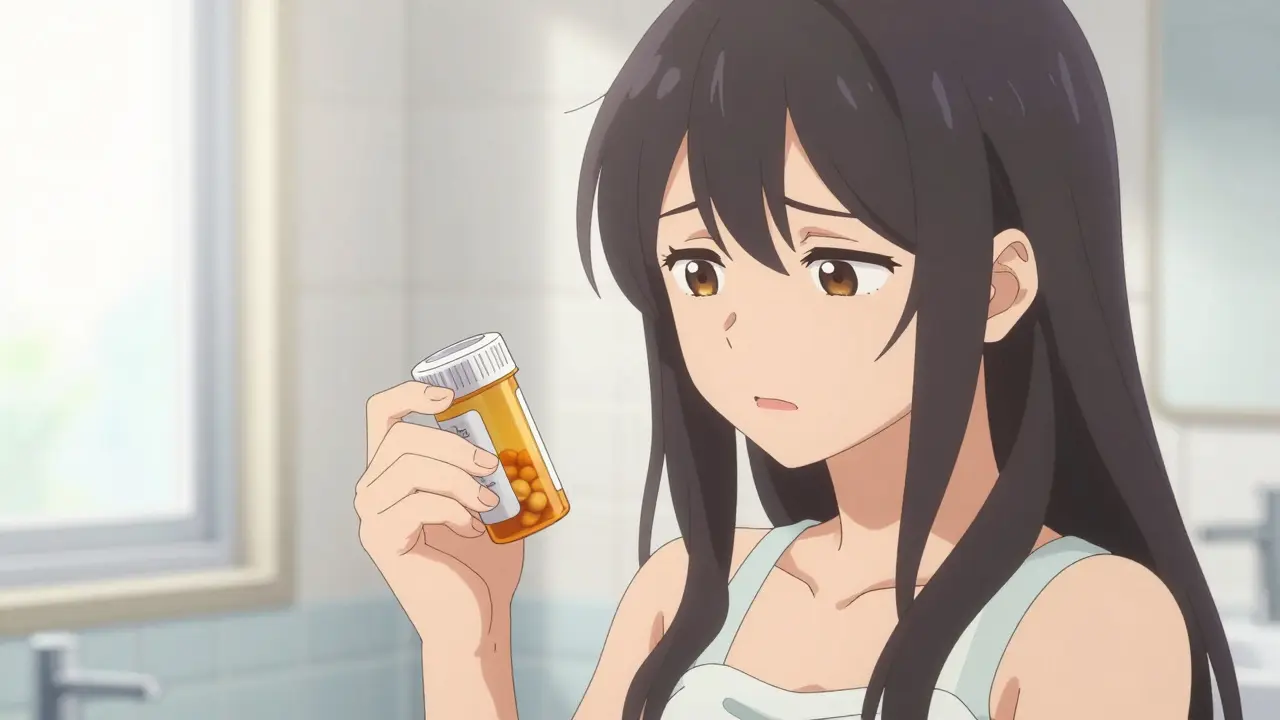
The good news is that refill information follows a pretty predictable pattern. While different pharmacies use different colors or fonts, the core data is designed to tell you exactly how many times you can get a fresh supply before you need a new script from your provider. Here is how to decode that little section of your bottle and ensure you never run out of your essential meds.
What the Refill Numbers Actually Mean
When you look at your label, you'll usually see something like Ref: 5 or Refills: 0. It seems simple, but it's where most people get tripped up. To be clear: that number represents remaining refills, not the total number of pills in the bottle.
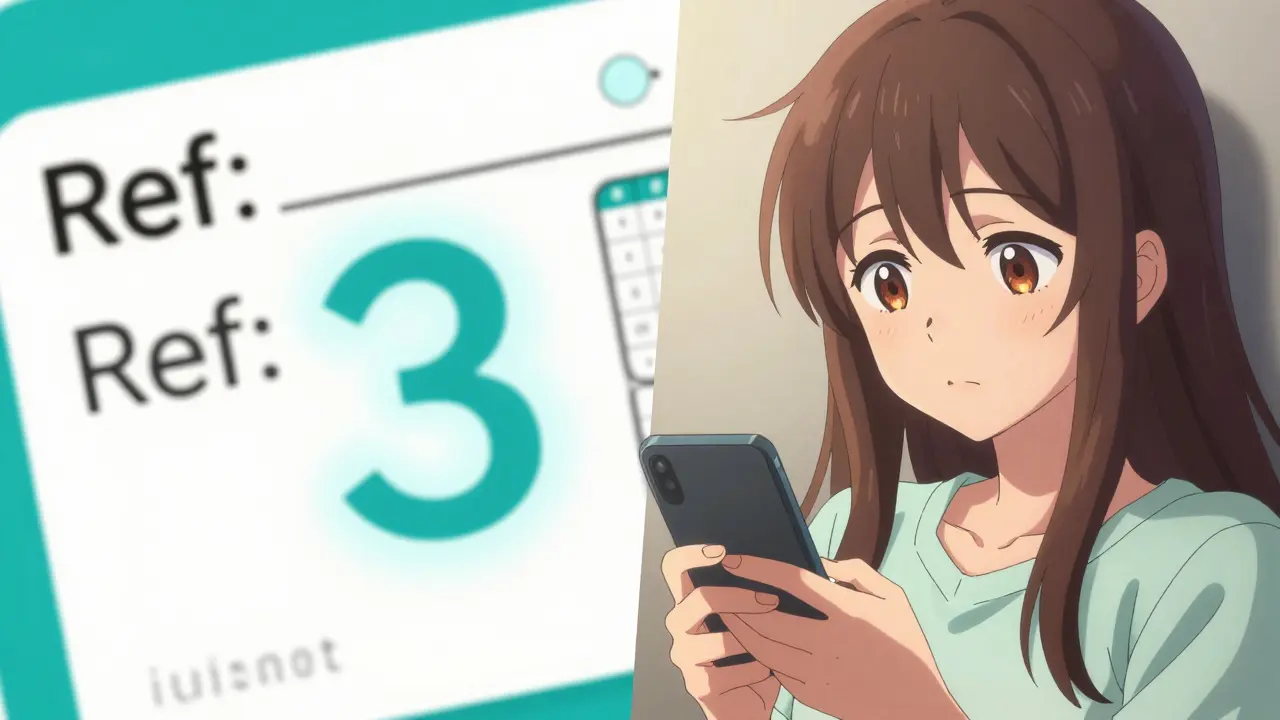
If your label says "Ref: 3," it means you can go back to the pharmacy three more times to get a full supply. Every time the pharmacist fills the script, that number drops by one. When you hit "Ref: 0," you've used up all the authorizations your doctor granted. A common mistake is thinking "Ref: 0" means you have zero pills left in your hand-it actually means you have zero trips left to the pharmacy.
Some pharmacies, like Express Scripts, add a bit more detail, such as a "use by" or expiration date. This is critical because prescriptions don't last forever. Even if you have five refills left, if the prescription expires in six months, those refills vanish on that date. Always check both the number and the date to avoid a surprise at the pharmacy counter.
Why Refill Info Isn't Right Next to the Dosage
You might wonder why the refill count is tucked away at the bottom or side of the label instead of right next to the "Take one tablet daily" instruction. This is a deliberate safety choice. The U.S. Pharmacopeial Convention (USP) classifies refill information as "important but less critical" than dosing.
The logic is simple: if you confuse your dose with your refill count, you could accidentally take way too much medication. Statistics show that nearly 68% of medication errors happen when people misread labels. By physically separating the "how to take it" part from the "how many times to get it" part, pharmacies reduce the risk of a dangerous mistake. If you're using a color-coded system-like those found at CVS Pharmacy-the refill info usually sits in a distinct section away from the bright markings used for morning or evening doses.
| Pharmacy Type | Refill Placement | Key Feature | Common Format |
|---|---|---|---|
| Big Chain (e.g., CVS) | Middle/Bottom Section | Color-coded segments | Ref: [Number] |
| Independent Pharmacy | Standardized Bottom | Clearer font for remaining refills | Refills remaining: [X] |
| Mail Order (e.g., Express Scripts) | Detailed Sidebar | Explicit expiration dates | Ref: [X] / Exp: [Date] |
Dealing with Insurance and Early Refills
Just because your label says you have refills doesn't mean your insurance will pay for them the moment you want them. Insurance companies have their own rules about when a prescription is "due." For example, if you have a 30-day supply, Medicare Part D plans often won't let you refill until day 23. Other commercial insurers might let you refill when you've used 80% of your pills.
This is why checking your label weekly is a lifesaver. If you see you're down to your last seven days of medication and your label says "Ref: 0," you need to call your doctor immediately. If you wait until the last pill, you might find out your doctor needs a few days to send a new authorization, leaving you without your medicine. For controlled substances, this is even more urgent, as some pharmacies require a 72-hour processing window.
Modern Tools to Stop the Guesswork
Reading tiny print on a plastic bottle isn't for everyone. To solve this, pharmacies are moving toward digital integration. Many now offer automated refill programs that notify you via text when it's time to pick up your next batch.
One of the coolest developments is "Spoken Rx" technology. Instead of squinting at the label, you can scan the bottle with a smartphone app, and the system reads the medication name and refill instructions aloud. This is a huge win for people with visual impairments or those who find the medical jargon on labels overwhelming. If your pharmacy doesn't offer a digital reminder, it's worth asking if they have an app that tracks your remaining refills automatically.
Pro Tips for Managing Your Meds
To keep your health steady and avoid the pharmacy-counter panic, try these simple habits:
- The Weekly Audit: Every Sunday, look at your bottles. If you see "Ref: 1" or "Ref: 0," mark your calendar to call the doctor.
- The 5-Day Rule: Request your refill 3 to 5 days before you actually run out. This gives the pharmacy time to order the drug if it's not in stock.
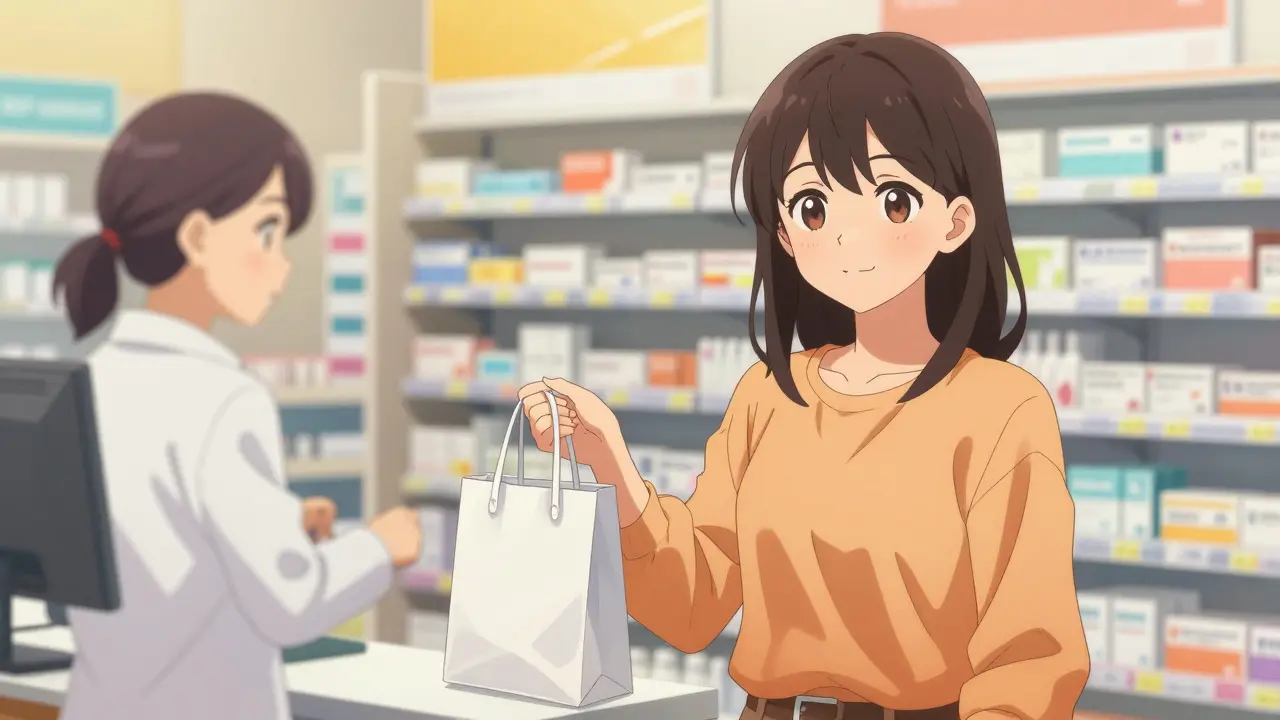
- Confirm at Pickup: When the pharmacist hands you the bag, ask, "How many refills do I have left now?" This confirms the label is accurate.
- Digital Backups: Take a photo of your label. If you lose the bottle or it gets damaged, you still have the prescription number and refill count for the pharmacist.
What does "Refill: 0" mean?
It means you have no remaining refills authorized by your doctor. You still have the medication currently in your bottle, but you cannot get another supply without a new prescription from your healthcare provider.
Why can't I refill my medication even if the label says I have refills?
This usually happens for two reasons: either the prescription has passed its expiration date, or your insurance company hasn't approved the refill yet because you haven't used enough of the previous supply (often they require 70-80% of the drug to be used).
Where is the refill information usually located on the label?
Following safety standards, refill information is typically placed in the lower section of the label, away from the dosing instructions, to prevent patients from confusing the number of refills with the number of pills to take.
Do all pharmacies use the same refill format?
No, while most follow general standards, formats vary. Some use "Ref: [X]", others write "Refills remaining," and some use color-coded systems. However, the numeric value almost always represents the number of additional fills available.
How early should I request a refill?
It is generally recommended to call your pharmacy 3 to 5 days before you run out. This accounts for potential stock issues or the 72-hour processing time often required for controlled substances.
What to Do Next
If you're feeling overwhelmed by your current medication list, start by organizing your bottles. Group them by how many refills are left. For any that say "Ref: 0" or are nearing their expiration date, send a quick message to your doctor's office today. Don't wait until you're on your last pill to find out there's a problem with the insurance or the script-a five-minute check now saves a lot of stress later.

Del Bourne
April 6, 2026 AT 21:10The distinction between remaining refills and the actual pill count is a common point of confusion for many patients. It is always a good idea to keep a digital log or a simple notebook to track when you request a fill and when it is picked up, especially for those managing multiple medications. This helps avoid the stress of last-minute realizations and ensures a seamless transition between prescriptions.
Victoria Gregory
April 7, 2026 AT 07:33Omg, I totally forgot to check my refills last month!! 😱 This is such a helpful reminder to just be proactive about it all!!! ✨💖
jack hunter
April 7, 2026 AT 13:30who cares about the label when the pharma companys just want u to stay hooked anyway lol... its all just a game to make us think we are in control of our own meds when we arent
Ethan Davis
April 9, 2026 AT 13:04Those "automated refill programs" are just a way for the pharmacies to track your habits more closely. Once they have your data synced with an app, they know exactly when you're vulnerable. Don't trust the tech, keep a paper record.
Michael Flückiger
April 9, 2026 AT 19:19This is exactly the kind of positivity and clarity we need!!! Just take control of your health and it'll all work out!!!! Believe in the process!!!
Brady Davis
April 11, 2026 AT 01:13Oh wow, imagine the absolute tragedy of having to actually call a doctor's office once every few months. Truly a harrowing experience for us all.
Kathleen Painter
April 12, 2026 AT 14:14I've always found that taking a moment to breathe and really look at the label without rushing helps a lot. It's interesting how we've conditioned ourselves to just ignore everything except the dosage, almost as if the logistics of our health are too burdensome to face, but if we just slow down and treat the process as a form of self-care rather than a chore, it becomes much more manageable. I usually set a recurring alarm on my phone for the "Weekly Audit" because life just gets in the way and it's so easy to let these things slide until it's an emergency, and honestly, the peace of mind that comes from knowing you have another month's supply is worth the five minutes of effort every Sunday.
Laurie Iten
April 13, 2026 AT 07:27the separation of data on the label is a reflection of how we prioritize immediate survival over long term maintenance
dwight koyner
April 14, 2026 AT 17:14I would like to add that for those using mail-order pharmacies, the expiration dates can sometimes be more restrictive than at local pharmacies due to shipping durations. Please ensure you verify the "discard after" date specifically.
Ruth Swansburg
April 16, 2026 AT 03:31Stay proactive everyone! Your health is your priority!
Windy Phillips
April 16, 2026 AT 19:08It is truly fascinating that some people still struggle with a basic numeric value on a label... one would assume basic literacy covers this, but apparently not for everyone!!!
Jamar Taylor
April 17, 2026 AT 07:02You guys got this! Just keep an eye on those bottles and stay ahead of the game!
Stephen Luce
April 18, 2026 AT 16:59I totally get how stressful it is to run out of meds. Just take it one step at a time.