Counterfeit Medications: Warning Signs and How to Protect Yourself
 Apr, 4 2026
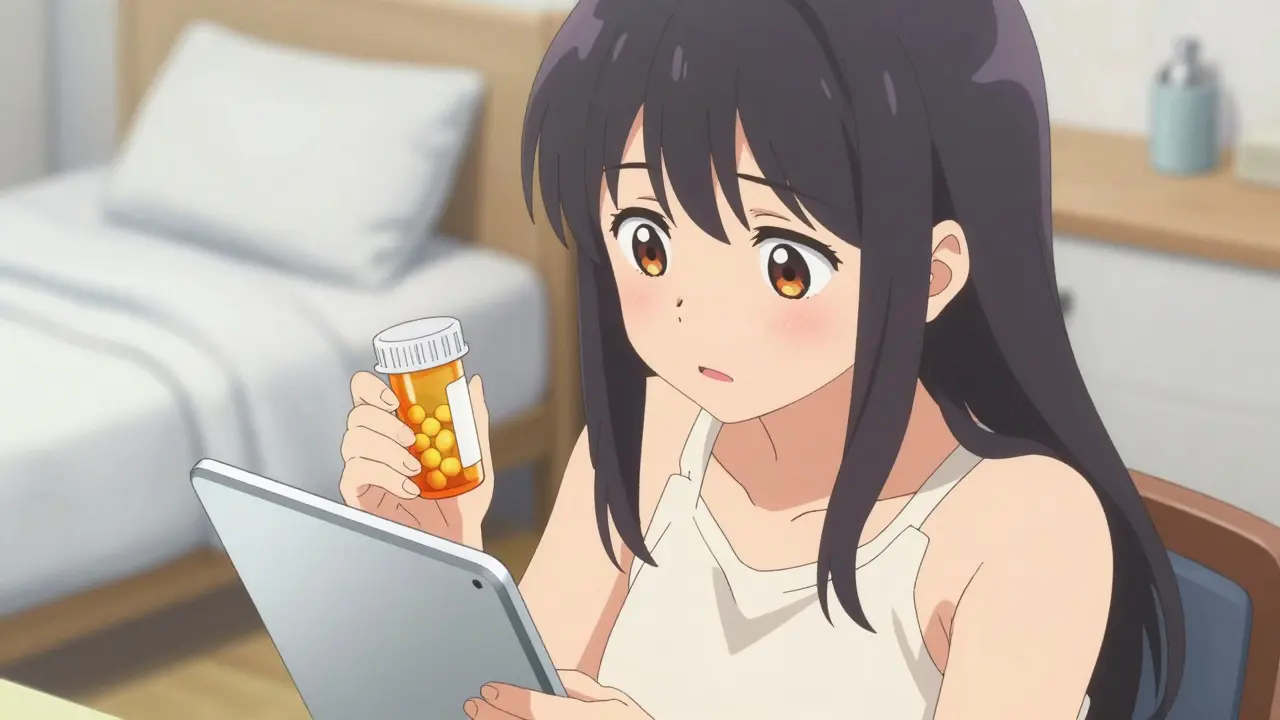
The scale of this problem is staggering. The World Health Organization (WHO) has reported that falsified medicines contribute to roughly 1 million deaths every year. These aren't just "low-quality" drugs; they are often produced in clandestine labs with zero quality control. Whether it's a high-demand weight-loss drug or a standard painkiller, the goal of the counterfeiters is profit, not your health.
The Red Flags: How to Spot a Fake
While some counterfeits are nearly perfect, most have "tells." You need to be your own first line of defense. Start by looking at the packaging. If you see a typo on the label or the font looks slightly off compared to your last refill, don't ignore it. Authentic pharmaceutical companies spend millions on branding and quality control; they don't leave spelling errors on their boxes.
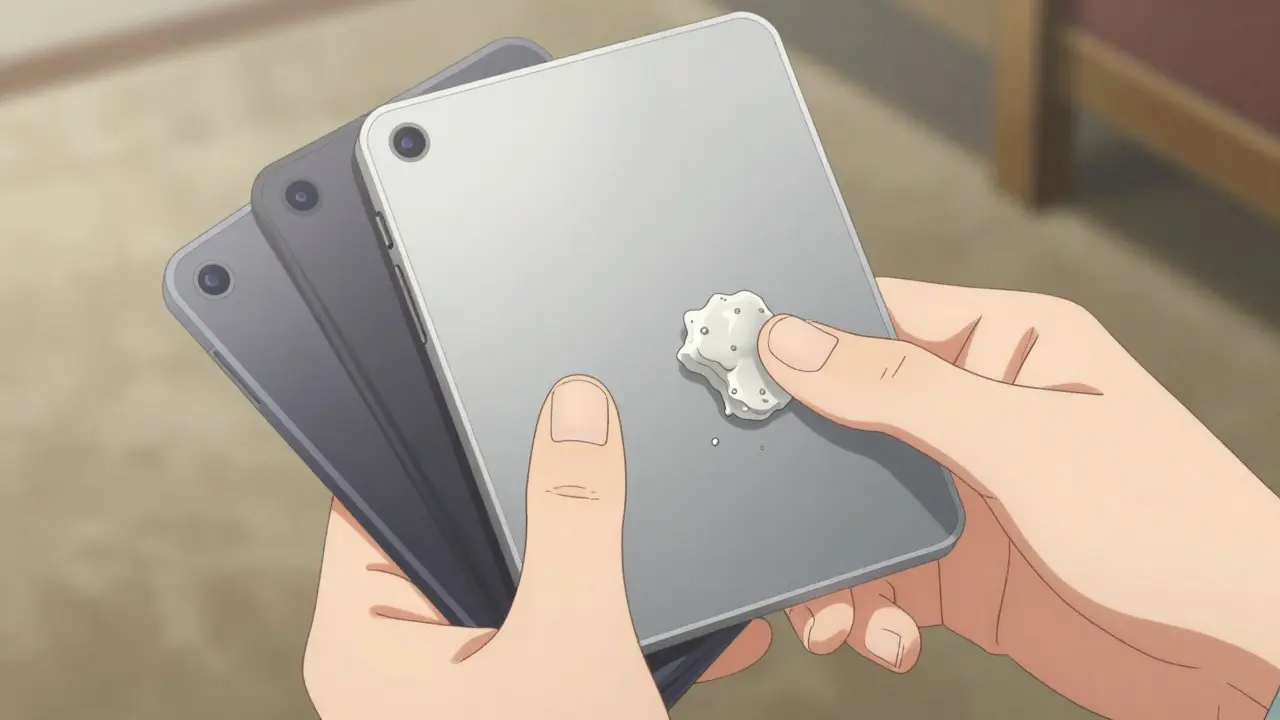
Pay close attention to the physical appearance of the medication itself. Legitimate tablets have a factory-made, uniform look. If you notice any of the following, stop taking the medication immediately:
- Pills that are crumbly, cracked, or have a "bubbled-up" coating.
- A different color, shape, or size than what you usually receive.
- An unusual smell, taste, or texture.
- Powder or crystals floating inside the pill jar.
- Missing lot numbers or expiration dates on the packaging.
Another subtle sign is the seal. Check the sealing tape for breaks or tears that look like they've been tampered with. In some cases, counterfeiters buy "short-dated" products (medicine close to expiring) and physically alter the expiry date on the label to make them sellable for longer. If the date looks smudged or rewritten, it's a massive red flag.
| Feature | Authentic Medication | Counterfeit Warning Signs |
|---|---|---|
| Packaging | Clean print, correct spelling, secure seals | Typos, faded colors, mismatched fonts, torn seals |
| Pill Appearance | Uniform size, smooth coating, consistent color | Crumbly texture, bubbles, inconsistent shapes |
| Labeling | Clear lot number and expiry date | Missing or altered date/lot numbers |
| Price | Standard market pricing | Unusually low prices or "too good to be true" discounts |
High-Risk Medications and Modern Trends
Criminal networks target drugs that are either expensive, high-demand, or prone to abuse. For years, we've seen fakes of OxyContin, Xanax, and Adderall. But the trend is shifting toward newer, high-cost biologics. Recently, the FDA issued warnings about counterfeit Ozempic and other GLP-1 agonists like Mounjaro.
These aren't just pills anymore; counterfeiters are now producing fake injectable pens. These are particularly dangerous because they may contain the wrong concentration of the active ingredient or entirely different, toxic substances. If you are buying these medications, ensure they come from a licensed pharmacy and not a social media "plug" or an encrypted messaging app.
The way these drugs are sold has also evolved. We're seeing a surge in illegal online pharmacies. In fact, the National Association of Boards of Pharmacy (NABP) saw a 35% increase in illegal pharmacy sites between 2022 and 2023. Many of these sites look professional and may even claim to be "certified," but they operate outside the law to avoid the strict regulations that keep your medicine safe.
How to Protect Yourself from Fakes
The most effective way to avoid counterfeit drugs is to control where you get them. Never buy medication from a friend, a street dealer, or an unregulated website. If a pharmacy doesn't require a valid prescription from a licensed doctor, it is not a legitimate pharmacy.
Here is a checklist to keep your medicine cabinet safe:
- Verify the Pharmacy: Use the NABP's VIPPS (Verified Internet Pharmacy Practice Sites) program to check if an online pharmacy is actually licensed.
- Question the Price: If a medication is significantly cheaper than the price at your local pharmacy, it's likely a fake. Legitimate pharmacies have fixed costs and cannot offer 80% discounts on brand-name drugs.
- Consult Your Pharmacist: If your pills look different this month than they did last month, don't take them. Bring the bottle to your pharmacist and ask them to verify the batch.
- Report Suspicious Meds: If you suspect a fake, call the pharmaceutical company directly. Companies like Eli Lilly or Pfizer track lot numbers. If the number on your bottle doesn't exist in their system, you've caught a counterfeit.
It is also worth noting that some pharmaceutical companies are fighting back with serialization. This means each individual bottle or pen has a unique digital identity that can be tracked through the supply chain. While this helps, the responsibility still falls on the consumer to avoid risky sourcing.
What to Do if You Suspect a Counterfeit
If you've already taken a medication and suspect it was fake, the first step is to stop taking it immediately. Do not "test" it by taking another dose to see if it works. Instead, contact your healthcare provider right away. Tell them the name of the drug, the dosage, and any unusual side effects you experienced.
Keep the packaging and the remaining pills. These are critical pieces of evidence. A doctor or a regulatory agency can send these to a lab for testing. As experts from Pfizer point out, it really takes professional laboratory testing to be 100% sure if a drug is authentic, as modern counterfeits can be visually perfect.
Report the incident to your national health authority, such as the FDA in the U.S. or the equivalent agency in your country. This helps authorities track the criminal networks and issue alerts to protect other patients from the same fake batch.
Can I tell if a pill is fake just by looking at it?
Not always. While some fakes have obvious errors like typos or crumbling textures, high-quality counterfeits are designed to look exactly like the real thing. The only way to be 100% certain is through laboratory analysis. However, checking for consistent color, shape, and professional packaging can help you spot common fakes.
Why are counterfeit drugs so dangerous?
The danger lies in the unknown. Falsified medicines may contain no active ingredient, meaning your condition goes untreated. They may also contain the wrong dose, leading to overdose, or toxic contaminants (like heavy metals or floor wax) that can cause organ failure or death.
Is it safe to buy medication from a pharmacy that doesn't require a prescription?
No. Legitimate pharmacies are required by law to have a valid prescription from a licensed healthcare provider. Any site or seller that offers prescription-strength medication without a prescription is operating illegally and is a primary source of counterfeit drugs.
What should I do if the appearance of my medication changes?
If your pills change color, shape, or taste between refills, do not take them. Contact your pharmacist or doctor immediately. While some manufacturers occasionally update their pill design, they will notify pharmacies in advance. If your pharmacist is unaware of a change, the medication could be counterfeit.
How do I verify an online pharmacy is legitimate?
Look for certifications from recognized bodies like the National Association of Boards of Pharmacy (NABP) through their VIPPS program. Ensure the pharmacy is licensed in the state or country where they operate and that they provide a physical address and a way to contact a licensed pharmacist.
Next Steps for Your Safety
If you're currently using a high-demand medication purchased online, take a moment to review the site's credentials. If you can't find a verified license or if the price seemed too good to be true, call your doctor and ask for a recommended, licensed pharmacy. Moving forward, prioritize safety over savings. A slightly higher price at a licensed pharmacy is a small price to pay for the certainty that your medication is safe and effective.

Nathan Kreider
April 6, 2026 AT 08:45This is such a helpful guide. It's scary to think about, but knowing what to look for can really save a life!
Grace Lottering
April 7, 2026 AT 13:22Big Pharma is just creating the demand for fakes to jack up prices. Total control move. Wake up!
GOPESH KUMAR
April 8, 2026 AT 15:00The irony here is that we trust a corporate label more than our own senses. We've traded intuition for a barcode. It's a systemic failure of trust where the 'authentic' is just a brand managed by a board of directors. Most people just blindly follow these checklists without realizing the pharmaceutical industry is just another machine for capital extraction. We are basically gambling with our lives regardless of whether the pill is fake or real because the whole system is designed for profit, not wellness. It's honestly laughable that we think a 'VIPPS' certification is the pinnacle of safety in a world where legalized drugs are often just as toxic as the fakes. We are just cogs in a medical-industrial complex that prefers us dependent and terrified.
Darius Prorok
April 10, 2026 AT 04:55Actually, the lot number thing is the only way to be sure. Everything else is just guessing.
Victoria Gregory
April 11, 2026 AT 13:17I totally agree that we should stay safe!!! 🌟 It's all about finding a balance between being cautious and not letting fear take over our lives... right? ✨🙏
Laurie Iten
April 12, 2026 AT 16:09the nature of trust is such a strange thing we give it to strangers in lab coats without a second thought
Benjamin cusden
April 13, 2026 AT 10:26The suggestion to call a pharmaceutical company is quaint. Anyone with a basic understanding of corporate bureaucracy knows that a customer service representative will never actually verify a lot number against a master database in real-time. It's a placebo for the consumer's anxiety.
Kathleen Painter
April 14, 2026 AT 01:30I've seen so many people in my community struggle with the cost of these medications that they feel forced to look at these illegal sites, and while I understand the desperation, it's just heartbreaking to think that the lack of affordable healthcare is literally driving people into the arms of criminal networks who would sell them poison just to make a quick buck. We really need to move toward a more inclusive system where life-saving medicine isn't a luxury item that requires a high-interest loan or a risky gamble on an encrypted app just to stay healthy and functional in our daily lives.
Windy Phillips
April 15, 2026 AT 14:41It is truly tragic that some people are so intellectually lazy that they would actually buy meds from a "plug"... the lack of basic discernment in modern society is simply appalling!!!