COMISA: Managing Comorbid Insomnia and Sleep Apnea Together
 Sep, 2 2026
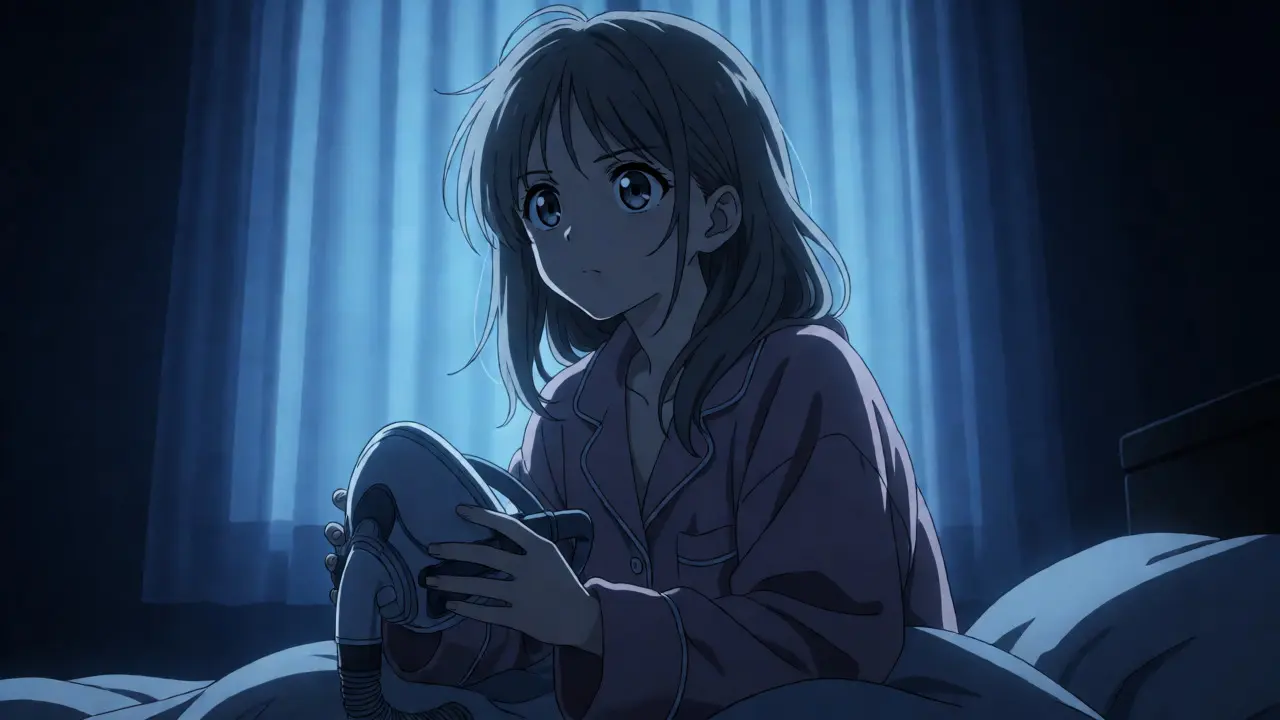
Imagine this: You finally get diagnosed with Obstructive Sleep Apnea (OSA). You start using your CPAP machine, expecting sweet relief. But instead of sleeping better, you lie awake staring at the ceiling, frustrated that the mask feels uncomfortable or the air pressure keeps waking you up. You aren't imagining things, and you aren't just "bad" at using your machine. You might have COMISA, which stands for Co-Morbid Insomnia and Sleep Apnea. It is a distinct clinical condition where insomnia disorder and obstructive sleep apnea occur simultaneously in the same patient.
This isn't just a minor inconvenience; it's a complex medical puzzle that affects a huge portion of people with sleep apnea. Research suggests that between 39% and 58% of patients diagnosed with OSA also suffer from clinically significant insomnia. Yet, standard treatments often fail because they treat one problem while ignoring the other. If you've been struggling to stick with your CPAP or feeling like your insomnia medication isn't touching the root cause, understanding COMISA could be the breakthrough you need. This guide breaks down what COMISA actually is, why it’s so hard to treat with traditional methods, and how modern integrated approaches are finally helping people sleep through the night again.
The Hidden Epidemic: Why Treating One Condition Often Fails
For years, doctors treated sleep apnea and insomnia as separate entities. If you had apnea, you got a CPAP. If you had insomnia, you got cognitive behavioral therapy (CBT-I) or medication. But when these conditions coexist, treating them sequentially-or worse, ignoring the comorbidity-often leads to treatment failure. Dr. Alexander Sweetman, a researcher at Flinders University who coined the term COMISA, highlighted that traditional CPAP adherence rates drop drastically in these patients. While about 62% of people with only sleep apnea stick with their therapy, that number plummets to around 42% for those with COMISA.
Why does this happen? It comes down to a vicious cycle. Sleep apnea causes fragmented sleep, leading to daytime fatigue and anxiety. This anxiety makes it harder to fall asleep or stay asleep (insomnia). When you put on a CPAP mask, the physical discomfort or the noise can trigger arousal responses, worsening the insomnia symptoms. Conversely, if you try to treat insomnia with sedatives without addressing the apnea, you risk suppressing your respiratory drive, potentially making the apnea events more severe or frequent. The result? Patients quit their CPAP because it feels like torture, or they take pills that leave them groggy and still exhausted. Recognizing COMISA as a unique entity changes the game entirely. It shifts the focus from "fixing the airway" or "fixing the mind" to managing both systems together.
Diagnosing the Dual Diagnosis: Beyond the Standard Sleep Study
Getting a correct diagnosis for COMISA requires more than just a standard overnight sleep study. Most clinics use polysomnography (PSG) to measure breathing interruptions, quantified by the Apnea-Hypopnea Index (AHI). An AHI of 5 or higher typically indicates sleep apnea. However, PSGs don't inherently diagnose insomnia. That requires a different set of tools, such as structured interviews or validated questionnaires like the Insomnia Severity Index (ISI). A score of 15 or higher on the ISI generally signals clinical insomnia.
Here is where many patients slip through the cracks. Primary care physicians often spot the loud snoring and gasping (the obvious signs of OSA) but miss the subtle cues of chronic insomnia, like difficulty falling asleep despite being tired, or early morning awakenings. Studies show that diagnostic delays for COMISA average over seven years. To catch it early, you need to advocate for yourself. Ask your doctor to assess both your breathing patterns and your sleep perception. Are you waking up because you can't breathe, or are you waking up and then unable to go back to sleep? Distinguishing between sleep maintenance insomnia (staying asleep) and sleep onset insomnia (falling asleep) is crucial, as research shows 68% of COMISA cases involve maintenance issues, which respond differently to treatment than onset problems.
The Treatment Trap: Why CPAP Alone Isn't Enough
Continuous Positive Airway Pressure (CPAP) remains the gold standard for moderate-to-severe sleep apnea. It works by pushing air into your throat to keep the airway open. For pure OSA, it’s highly effective, with success rates hitting 85-90% when properly fitted. But for COMISA patients, CPAP alone often fails. Data from the Sleep Heart Health Study revealed that 39% of OSA patients continued to report persistent insomnia symptoms even after starting CPAP therapy.
The issue is multifactorial. First, there is the adaptation period. Putting on a mask and dealing with pressurized air can feel claustrophobic and disruptive. For someone already anxious about sleep, this new stressor can worsen insomnia. Second, standard CPAP protocols don't address the hyperarousal system typical of insomnia. Your brain stays in "alert mode," fighting against the very relaxation needed for deep sleep. Without addressing this psychological component, you end up lying in bed, frustrated and awake, despite having an open airway. This frustration often leads to abandonment of therapy. In fact, surveys indicate that 68% of COMISA patients discontinue CPAP within six months if they don't receive additional support for their insomnia.

Integrated Care: Combining CBT-I and CPAP for Better Outcomes
The most promising solution for COMISA is concurrent treatment-addressing both conditions at the same time rather than one after the other. This usually involves combining CPAP therapy with Cognitive Behavioral Therapy for Insomnia (CBT-I). CBT-I is a structured program that helps you identify and replace thoughts and behaviors that cause or worsen sleep problems with habits that promote sound sleep. Unlike medication, it targets the root causes of insomnia.
Recent randomized controlled trials have shown impressive results with this combined approach. One major study demonstrated that adding five sessions of CBT-I alongside CPAP initiation improved insomnia symptoms by 54% and increased CPAP usage by 1.2 hours per night compared to control groups receiving only education. Another trial showed that 63% of COMISA patients achieved remission of insomnia symptoms with combined treatment, versus only 29% with CPAP alone. The synergy is powerful: CBT-I helps you tolerate the CPAP mask and reduces the anxiety associated with sleeping, while CPAP removes the physiological barrier (airway collapse) that fragments your sleep.
| Treatment Approach | Primary Focus | Insomnia Symptom Improvement | CPAP Adherence Rate | Best For |
|---|---|---|---|---|
| CPAP Only | Respiratory Events (OSA) | Low (Persistent symptoms in ~39%) | Moderate (~42-62%) | Pure OSA without significant insomnia |
| CBT-I Only | Sleep Behavior & Cognition | High (70-80% response rate) | N/A (No respiratory support) | Mild OSA or primary insomnia |
| Concurrent CBT-I + CPAP | Both Respiratory & Behavioral | Very High (Up to 63% remission) | High (Improved by ~1.2 hrs/night) | Confirmed COMISA diagnosis |
| Pharmacotherapy (e.g., Suvorexant) | Symptom Management | Moderate (42% improvement) | Variable | Short-term relief or adjunctive care |
Practical Strategies for Managing COMISA at Home
If you suspect you have COMISA, waiting for a specialist referral can take months. There are practical steps you can take now to improve your situation while you navigate the healthcare system. First, prioritize stimulus control. This is a core component of CBT-I. If you haven't fallen asleep in 20 minutes, get out of bed. Go to another room and do something boring until you feel sleepy again. This re-trains your brain to associate the bed with sleep, not with frustration or wakefulness.
Second, tackle CPAP desensitization gradually. Don't force yourself to wear the mask all night immediately. Start by wearing it while watching TV or reading for short periods during the day. Gradually increase the duration. Many users find that "ramping" features-which start the air pressure low and slowly increase it-help ease them into sleep. One patient reported increasing their usage from 2.1 to 6.7 hours per night simply by combining gradual pressure ramping with strict stimulus control.
Third, consider digital health tools. Digital CBT-I (dCBT-I) platforms like Somryst or Sleepio are becoming more accessible. These apps deliver structured CBT-I modules via telehealth. While they are most effective for mild-to-moderate cases, they offer a scalable way to access therapy when human therapists are scarce. Note that dCBT-I has shown a 65% remission rate for mild COMISA cases, though effectiveness drops for severe apnea, highlighting the importance of professional oversight for complex cases.

The Role of Mental Health and Anxiety
You cannot ignore the mental health component of COMISA. Depression, anxiety, and stress significantly reduce the effectiveness of insomnia treatments. Research indicates that among COMISA patients with high anxiety levels, only 45% saw improvement in insomnia symptoms with standard therapies, compared to 78% for those without high anxiety. This means that if you are dealing with significant stress or mood disorders, your COMISA treatment plan must include strategies to manage these factors.
Trauma-related insomnia is another critical subset, affecting about 33% of COMISA patients. For these individuals, standard CBT-I may need modifications to address hypervigilance and nightmares. Working with a psychologist who specializes in behavioral sleep medicine is often necessary. They can help you develop coping mechanisms for nighttime anxiety that won't interfere with your CPAP therapy. Remember, treating the mind is just as important as treating the airway.
Access and Cost: Navigating the Healthcare System
Despite growing recognition, accessing specialized COMISA care remains a challenge. Only 12% of surveyed patients reported easy access to psychologists trained in CBT-I for COMISA, with wait times averaging over 14 weeks. Costs can also be a barrier. A full course of CBT-I plus CPAP equipment can range from $2,000 to $4,800 depending on insurance coverage and location. However, the long-term savings are compelling. Integrated treatment has been linked to lower overall healthcare utilization, with some analyses showing savings of nearly $1,850 per patient per year due to reduced emergency visits and better management of related conditions like hypertension.
To improve access, look for centers that offer "integrated sleep programs." Some hospitals now employ "sleep navigators" who coordinate between pulmonologists, ENTs, and psychologists, reducing treatment initiation time from months to weeks. If you are in a rural area, telehealth options for CBT-I are expanding, offering a viable alternative to in-person visits.
How common is COMISA?
COMISA is surprisingly common. Studies suggest that approximately 39% to 58% of patients diagnosed with Obstructive Sleep Apnea (OSA) also meet the criteria for chronic insomnia. This makes it a significant subset of the sleep disorder population, yet it is frequently underdiagnosed.
Can I treat my insomnia with medication while using CPAP?
Yes, but caution is required. Some medications, particularly sedatives and opioids, can suppress respiratory drive and worsen sleep apnea events. Newer orexin antagonists like suvorexant have shown promise in COMISA patients with fewer respiratory side effects, but any medication should be discussed with your sleep specialist to ensure it doesn't counteract the benefits of CPAP.
What is the difference between sequential and concurrent treatment for COMISA?
Sequential treatment involves addressing one condition first (usually starting CPAP for apnea) and then treating insomnia later. Concurrent treatment starts both CPAP and Cognitive Behavioral Therapy for Insomnia (CBT-I) at the same time. Current evidence strongly favors concurrent treatment, as it improves CPAP adherence and resolves insomnia symptoms faster than sequential approaches.
Why do I still feel tired even with CPAP?
If you have COMISA, residual fatigue may persist due to untreated insomnia. CPAP fixes the breathing interruptions, but it doesn't necessarily fix the inability to fall or stay asleep. If you are getting enough hours of sleep but still feel unrested, your insomnia symptoms (like light sleep or frequent awakenings unrelated to apnea) may be the culprit. Addressing the behavioral aspects of sleep is key.
Is digital CBT-I effective for COMISA?
Digital CBT-I (dCBT-I) can be effective, particularly for mild to moderate cases. Studies show remission rates of around 65% for mild COMISA. However, for patients with severe sleep apnea or complex psychiatric comorbidities, guided therapy with a trained clinician is generally more effective than self-guided digital programs.
Next Steps: Taking Control of Your Sleep
If you suspect COMISA, don't settle for partial solutions. Start by keeping a detailed sleep diary for two weeks, noting not just how long you slept, but how difficult it was to fall asleep and how often you woke up. Share this with your doctor. Ask specifically for an evaluation of both apnea severity and insomnia symptoms using tools like the Insomnia Severity Index. If you are already on CPAP but struggling, ask about integrating CBT-I into your care plan. Whether through a local therapist or a digital platform, combining behavioral therapy with mechanical support offers the best chance at restful, uninterrupted nights. Your sleep is worth the extra effort to get the diagnosis and treatment right.
