Cervical and Lumbar Radiculopathy: Understanding Nerve Pain and Rehab
 Mar, 25 2026
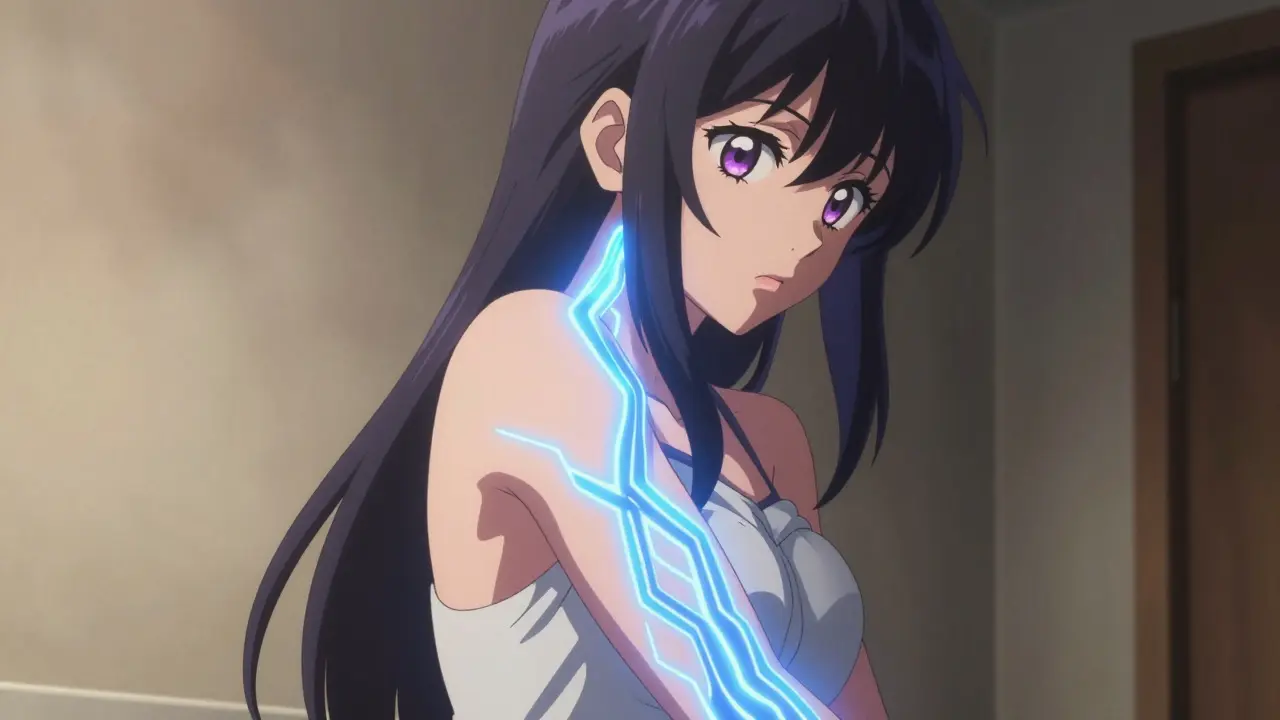
Have you ever felt a sharp shock travel down your arm or leg that made you stop in your tracks? That sudden, electric sensation is often a warning sign from your nervous system. It’s not just a muscle cramp or a pulled ligament. It’s likely Radiculopathy, a condition where a nerve root gets pinched or irritated as it exits your spinal column. While it sounds scary, you aren’t alone. In fact, cervical (neck) and lumbar (lower back) variants account for 95% of all radiculopathy cases. Understanding what triggers this pain and how to fix it is the first step toward getting your life back on track.
What Exactly Is Radiculopathy?
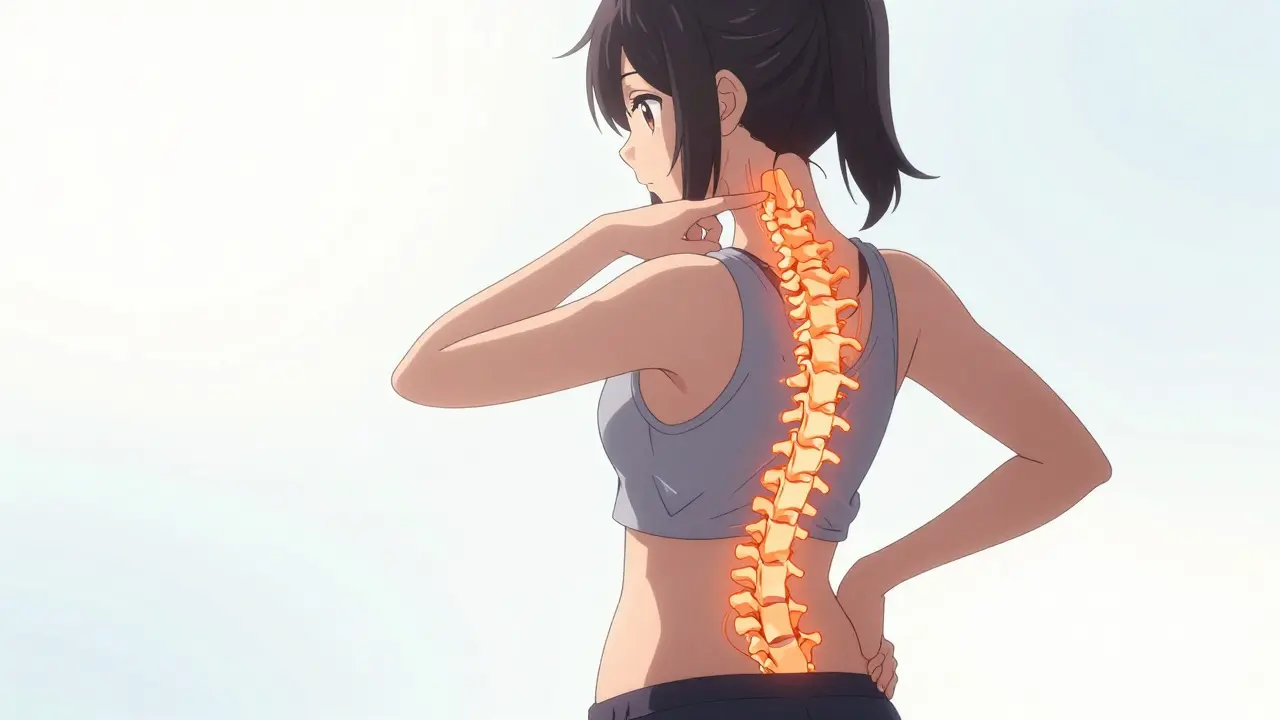
Think of your spine as a central command center. Nerves branch out from it like wires in a house, sending signals to your muscles and skin. When one of these wires gets squeezed, the signal gets scrambled. This is Radiculopathy a neurological condition caused by injury or damage to nerve roots at their exit points from the spinal column. It’s not just localized back or neck pain; the discomfort travels. If it’s in your neck, you feel it in your shoulders or hands. If it’s in your lower back, it shoots down your legs. This travel pattern is crucial for diagnosis because it tells doctors exactly which nerve is under attack.
The condition was first systematically documented in the mid-20th century, but our understanding exploded in the 1970s with the invention of magnetic resonance imaging (MRI). Before that, doctors were guessing based on symptoms alone. Now, we can see the compression clearly. The Cleveland Clinic notes that this is a mechanical and inflammatory process. It’s a physical squeeze combined with chemical irritation that causes the pain, numbness, and weakness you feel.
Cervical vs. Lumbar: Knowing the Difference
Not all nerve pain is the same. The location of the pinch changes everything about how you feel and how you treat it. Cervical Radiculopathy involves compression of nerve roots C1-C8 in the neck region. This is the most common type, often affecting the C7 nerve root in 57% of cases. You might feel pain radiating to your thumb or index finger if it’s C6, or your middle finger if it’s C7. Weakness in your biceps or triceps is a common sign that the nerve is struggling to fire properly.
On the other hand, Lumbar Radiculopathy involves compression of L1-S5 nerve roots in the lower back, commonly known as sciatica. This is what most people mean when they talk about sciatica. The L5 nerve root is the usual suspect (49% of cases), causing pain down the outer calf to the big toe. The S1 root affects the back of the calf to the sole of the foot. A key difference here is the impact on daily life. Lumbar cases often lead to higher disability scores and longer recovery times compared to cervical cases. Patients with lumbar issues report 37% higher disability scores on the Oswestry Disability Index than those with neck issues.
| Feature | Cervical Radiculopathy | Lumbar Radiculopathy |
|---|---|---|
| Most Affected Roots | C7 (57%), C6 (27%) | L5 (49%), S1 (43%) |
| Common Symptoms | Arm pain, hand weakness, numbness in fingers | Leg pain (sciatica), foot drop, ankle weakness |
| Primary Cause (Under 50) | Herniated Discs (90%) | Herniated Discs (90%) |
| Recovery Time (Average) | 11.1 weeks | 14.2 weeks |
| Conservative Resolution | 89% within 6 months | 76% within 6 months |
Why Does This Happen? Causes and Risk Factors
Your spine isn’t static; it changes as you age and live your life. For people under 50, a herniated disc is the main culprit, causing 90% of cases. This is when the soft cushion between vertebrae bulges and presses on a nerve. However, once you cross the 50-year mark, the story changes. Degenerative changes like spondylosis and foraminal stenosis take over, accounting for 78% of cervical cases. This is essentially wear and tear that narrows the spaces where nerves exit.
Occupation plays a huge role too. Lumbar radiculopathy has a strong link to heavy lifting. A 2022 Occupational Medicine meta-analysis found an odds ratio of 3.2 for workers in high-lifting jobs. Construction and healthcare workers see a 3.1x higher incidence than the general population. On the flip side, cervical radiculopathy is more often linked to acute trauma, like a car accident or a fall, which happens in 23% of cases compared to 12% for lumbar issues. Understanding your risk profile helps in prevention. If you work on your feet or lift heavy objects, your lower back needs more attention. If you sit at a desk all day with poor posture, your neck is at risk.
Diagnosing the Pain
Getting the right diagnosis is critical because treating the wrong thing won’t help. Doctors look at your symptoms first, specifically the dermatomal patterns. These are specific areas of skin supplied by individual nerve roots. If you have numbness in your thumb, it points to C6. If it’s your big toe, it’s likely L5. Physical tests like the Spurling test for the neck or the Straight Leg Raise for the back can confirm the suspicion.
Imaging confirms it. MRI is the gold standard, showing 92% sensitivity for detecting cervical disc herniations. It’s much better than CT myelography, which only hits 78%. In 2023, the FDA even approved AI-assisted MRI software called MedoScan RAD, which bumps detection accuracy to 96.7%. This technology helps doctors see exactly where the nerve is compressed without guessing. However, not everyone needs an MRI immediately. Most guidelines suggest trying conservative care first unless you have severe symptoms like loss of bladder control or progressive weakness, which are emergencies.
Treatment Options: Conservative First
Here is the good news: surgery is rarely the first step. About 85% of radiculopathy cases resolve with conservative management within 12 weeks. Dr. Rajesh Miranda from the Hospital for Special Surgery states that 90% of cervical patients improve with nonsurgical therapy. The standard of care involves a mix of rest, medication, and movement. You might start with activity modification and NSAIDs like ibuprofen for the first week or two to calm the inflammation.
Physical therapy is the heavy lifter here. Studies show it has a 68% effectiveness rate in reducing symptoms compared to 52% for medication alone. But it’s not just any exercise. It needs to be specific. For the neck, this might mean cervical traction using 5-10 lbs of weight to gently open up the space for the nerve. For the back, core stabilization and McKenzie extension exercises are key. The goal is to move the disc material away from the nerve root.
Some people opt for epidural steroid injections. There’s some debate here. The Cochrane Database says they only offer moderate short-term relief (2-6 weeks) with no long-term benefit. Yet, 58% of pain specialists still report significant clinical benefit. It often comes down to individual response. If you are in severe pain that prevents you from doing therapy, an injection might be the bridge you need to start moving again.
Rehabilitation Protocols That Work
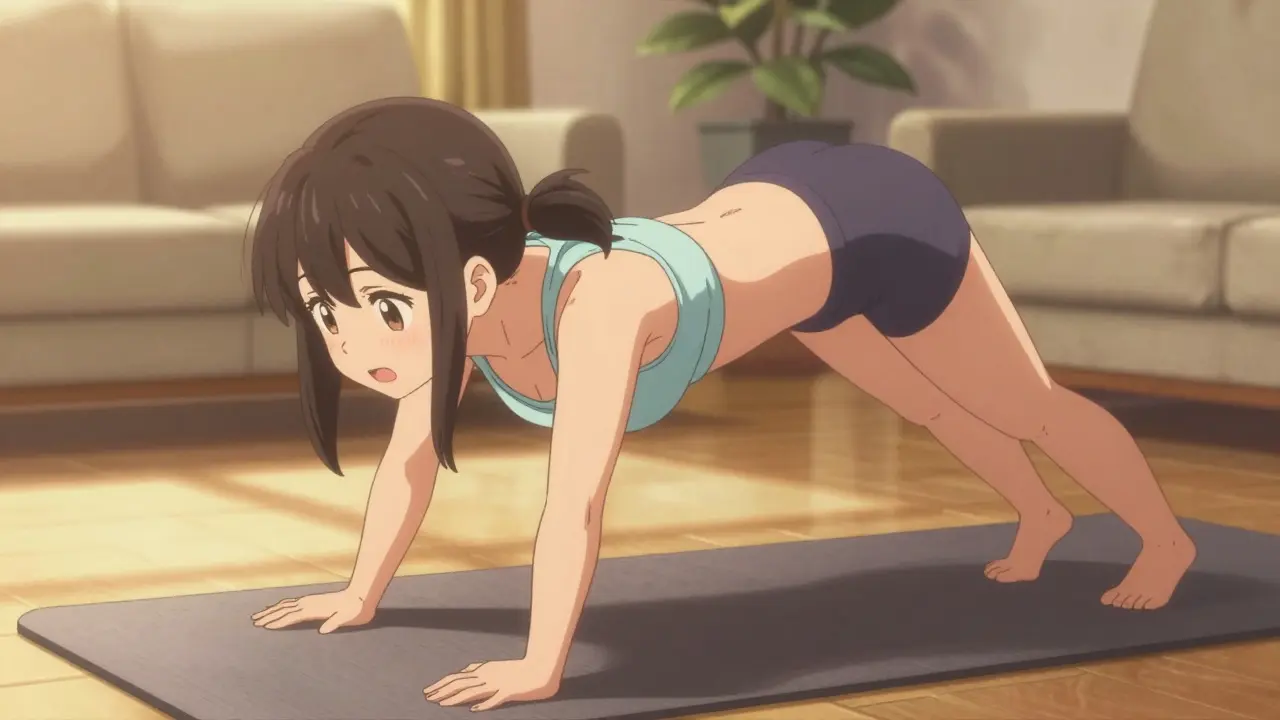
Recovery isn’t a straight line, and you can’t rush it. A structured protocol makes a difference. The Cleveland Clinic suggests a phased approach. Phase 1 (weeks 2-4) focuses on gentle range-of-motion exercises. Phase 2 (weeks 4-8) introduces isometric strengthening where you tense muscles without moving the joint. Phase 3 (weeks 8-12) brings in dynamic stabilization to protect your spine during daily activities.
Adherence is the secret sauce. Patients who stick to their home exercise program recover 47% faster. But 61% of people who don’t get better admit they were inconsistent with their exercises. It’s easy to skip a workout when you feel better, but that’s when you’re most vulnerable to relapse. Also, don’t ignore your environment. Using a proper pillow for cervical issues or adjusting your workstation can reduce symptoms by 32%. One common pitfall is returning to heavy lifting too soon, which causes symptom recurrence in 28% of cases.
Personalized care beats cookie-cutter plans. A survey found that 72% of patients with personalized rehab programs completed treatment versus 43% in standardized protocols. If you feel your exercises are making the pain worse, speak up. 33% of patients criticized generic approaches that exacerbated their symptoms. You need a therapist who listens to your specific nerve root involvement.
When to Worry: Red Flags
While most cases heal on their own, some situations demand immediate action. Dr. John Miller from the University of Maryland Medical Center warns that patients with progressive neurological deficits or cauda equina syndrome need surgery right away. Cauda equina is a rare but serious condition where the bundle of nerves at the bottom of the spine is compressed. Signs include loss of bowel or bladder control and saddle anesthesia (numbness in the groin area). If you experience these, go to the ER. Don’t wait for a physical therapy appointment.
Also, keep an eye on weakness. If your foot starts dragging (foot drop) or you can’t lift your arm against gravity, that indicates significant nerve damage. Early intervention here can prevent permanent loss of function. The long-term prognosis is generally favorable, with 82% of patients returning to pre-symptom function within 12 months. Only 8% develop chronic pain syndromes, but that risk is higher if you ignore the early warning signs.
Prevention and Lifestyle Changes
Once you recover, the goal is to keep it that way. Ergonomics play a massive role. For office workers, a monitor at eye level prevents neck strain. For manual laborers, proper lifting techniques are non-negotiable. Maintaining a healthy weight reduces the load on your lumbar spine. Core strength is your natural back brace. Simple exercises like planks or bird-dogs can stabilize your spine and prevent future pinches.
Don’t forget about stress. Tension often manifests in the neck and shoulders, tightening muscles that can compress nerves. Mindfulness or yoga can help manage this tension. Regular movement is better than long periods of sitting. Set a timer to stand up and walk every hour. Your spine is designed to move, not to stay static for eight hours a day.
How long does it take to recover from radiculopathy?
Most people recover within 12 weeks with conservative treatment. Cervical cases average 11.1 weeks, while lumbar cases take about 14.2 weeks. Consistency with physical therapy speeds this up significantly.
Does radiculopathy require surgery?
No, only about 15% of cases require surgery. 85% resolve with non-surgical methods like physical therapy, medication, and activity modification. Surgery is reserved for severe or progressive neurological deficits.
What are the main symptoms of cervical radiculopathy?
Symptoms include pain radiating from the neck to the shoulder and arm, numbness or tingling in the fingers, and weakness in the biceps or triceps depending on the nerve root involved.
Can lumbar radiculopathy cause foot drop?
Yes, L5 radiculopathy can cause foot drop, which is difficulty lifting the front part of the foot. This is a sign of significant nerve compression and requires medical attention.
Is epidural steroid injection effective for long-term relief?
Evidence is mixed. Studies show moderate short-term pain relief (2-6 weeks) but no proven long-term benefit. They are often used to help patients participate in physical therapy during acute pain phases.

Rachele Tycksen
March 26, 2026 AT 03:13didnt know the diffrence between neck and lower back pain was that specific
Korn Deno
March 28, 2026 AT 02:10the body speaks in signals we ignore until they scream loud enough to stop us in our tracks pain is just information trying to get through the noise of daily existence
Elaine Parra
March 28, 2026 AT 22:09you people always want the easy fix but the system is designed to keep you weak and dependent on their expensive scans and useless injections why do you trust them
Anil Arekar
March 29, 2026 AT 03:34Indeed, the distinction between cervical and lumbar manifestations is critical for proper management. One must acknowledge that the spinal column serves as the primary conduit for neurological communication. When compression occurs at the nerve root, the resultant symptoms are not merely discomfort but a neurological deficit. It is imperative to understand that conservative management yields a high success rate in the majority of cases. However, the timeline for recovery varies significantly depending on the specific nerve root involved. The data presented regarding herniated discs in younger populations is particularly noteworthy for preventative strategies. Older individuals face different challenges related to degenerative changes within the vertebral structure. Occupational hazards play a substantial role in the prevalence of lumbar radiculopathy among manual laborers. Conversely, sedentary lifestyles contribute heavily to cervical issues through poor ergonomic positioning. Diagnostic imaging such as MRI provides clarity that was unavailable to medical practitioners in previous decades. Nevertheless, one should not rush to invasive procedures without exhausting non-surgical therapeutic options first. Physical therapy remains the cornerstone of rehabilitation for restoring functional movement patterns. Adherence to prescribed exercise protocols is often the differentiating factor between recovery and chronic pain. Red flags such as loss of bowel control necessitate immediate medical intervention without delay. Ultimately, a proactive approach to spine health is the most effective method for long-term wellness.
Donna Fogelsong
March 29, 2026 AT 05:33they say mri is gold standard but ai software is just another way to push the agenda and control the data flow regarding your own body
Jesse Hall
March 29, 2026 AT 19:47hey dont worry too much about the scary stuff most people get better with just some movement and patience you got this 🙌💪
Pat Fur
March 31, 2026 AT 14:22interesting how the location changes the treatment path completely
Linda Foster
April 1, 2026 AT 00:40The information regarding the Oswestry Disability Index is quite significant for understanding patient outcomes
rebecca klady
April 2, 2026 AT 00:27just glad i dont have to deal with this right now but good to know what to watch out for
winnipeg whitegloves
April 2, 2026 AT 16:42the nerves are like live wires zipping through the body and when they get pinched it really throws a wrench in the works
Grace Kusta Nasralla
April 3, 2026 AT 01:55there is a deep sorrow in feeling the body betray itself yet we must find peace within the pain