Alcohol and Medications: Dangerous Interactions You Need to Know
 Jun, 24 2026
Alcohol & Medication Interaction Checker
Select a medication to view its risk level when combined with alcohol.
Primary Danger
What Happens?
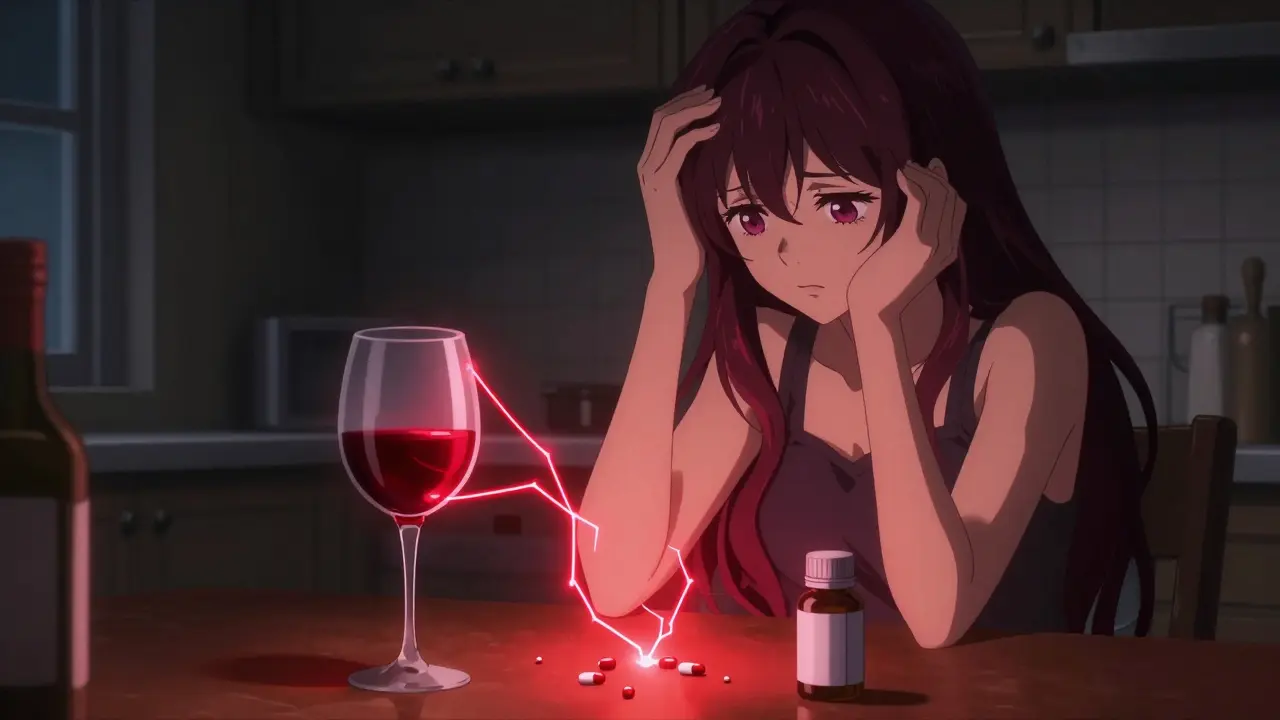
Imagine finishing a hard day with a glass of wine, only to realize that the painkiller you took an hour ago has turned that relaxing drink into a potential health hazard. This isn’t a movie plot; it is a reality for millions of people who unknowingly mix alcohol with their daily prescriptions or over-the-counter remedies. The combination of alcohol and medications is a complex pharmacological interaction where ethanol alters how drugs are processed by the body, often leading to amplified side effects, reduced efficacy, or life-threatening toxicity. According to the National Institute on Alcohol Abuse and Alcoholism (NIAAA), approximately 40% of adults take at least one medication annually that interacts negatively with alcohol. That is a staggering number, suggesting that nearly half of us are walking around with a ticking time bomb in our medicine cabinets.
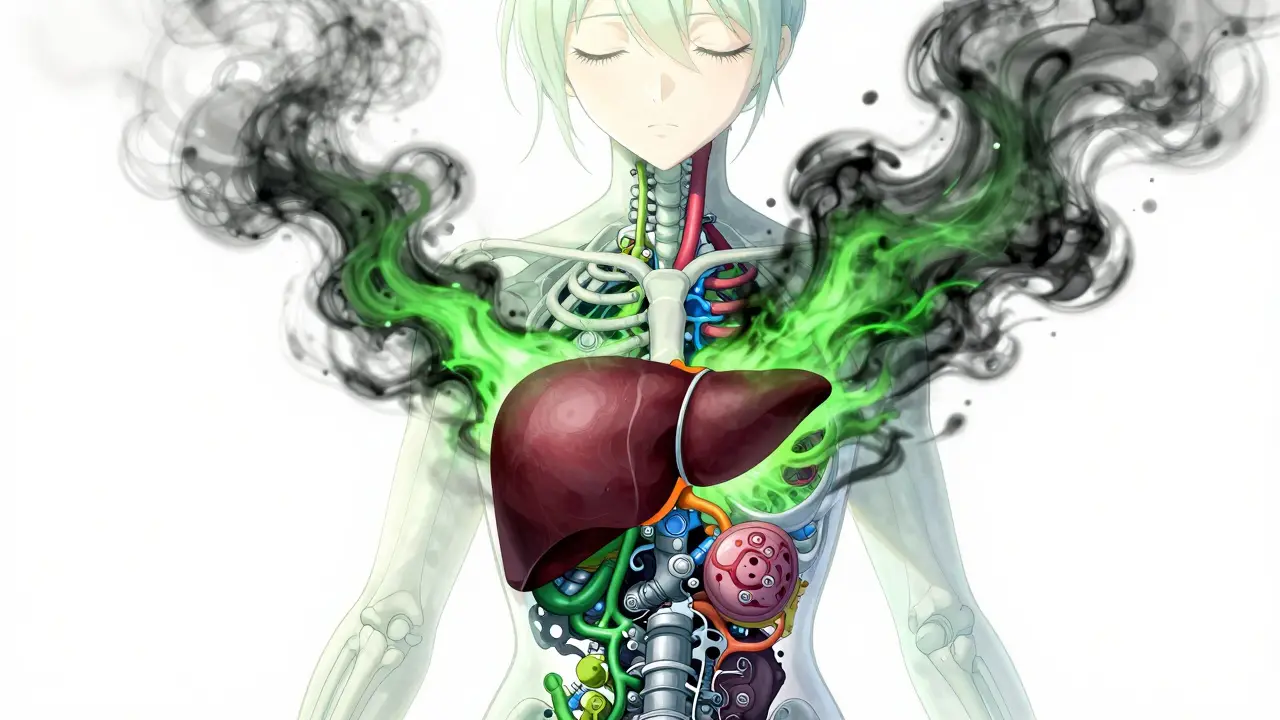
The danger lies not just in the obvious pairings like opioids and whiskey, but in the subtle, everyday mixes. Whether you are popping ibuprofen for a headache or taking antibiotics for an infection, understanding how your liver processes these substances is critical. Your liver acts as the body’s primary filtration system, using enzymes to break down both alcohol and drugs. When you introduce both simultaneously, they compete for the same enzymatic pathways. This competition can lead to two disastrous outcomes: the drug builds up to toxic levels in your blood, or the alcohol remains unprocessed, intensifying its intoxicating and depressive effects on your central nervous system.
The Silent Killer: Liver Toxicity and Metabolic Chaos
Your liver is a busy organ, but it has limits. One of the most common and dangerous interactions involves acetaminophen, widely known by brand names like Tylenol. Acetaminophen is generally safe when taken as directed, but when mixed with alcohol, it becomes a potent hepatotoxin. Both substances require the enzyme CYP2E1 for metabolism. When alcohol is present, this enzyme produces a toxic byproduct called NAPQI. Normally, your liver neutralizes NAPQI using glutathione, an antioxidant. However, alcohol depletes your glutathione stores. Without enough glutathione, NAPQI accumulates and destroys liver cells, potentially leading to acute liver failure.
The U.S. Food and Drug Administration (FDA) reports that acetaminophen overdose, frequently involving alcohol consumption, accounts for roughly 56,000 emergency room visits and nearly 500 deaths annually in the United States alone. You do not need to be a heavy drinker to be at risk; even moderate drinking while taking high doses of acetaminophen can push your liver past its breaking point. This is why medical professionals strictly advise against mixing any form of acetaminophen with alcoholic beverages. If you have been drinking, wait until the alcohol has completely left your system before taking pain relievers containing acetaminophen.
Non-steroidal anti-inflammatory drugs (NSAIDs) like ibuprofen (Advil) and naproxen (Aleve) present a different but equally serious threat. While they do not cause liver failure in the same way, they significantly increase the risk of gastrointestinal bleeding. Alcohol irritates the stomach lining, and NSAIDs inhibit the production of protective mucus in the gut. A 2017 meta-analysis published in the *Journal of Clinical Gastroenterology* found that combining alcohol with NSAIDs increases the risk of GI bleeding by three to five times. For someone with a history of ulcers or gastritis, this combination can trigger severe internal bleeding, requiring immediate hospitalization.
Central Nervous System Depression: The Lethal Synergy
If liver damage is slow and silent, central nervous system (CNS) depression is fast and fatal. Alcohol is a CNS depressant, meaning it slows down brain activity. Many medications share this property, including benzodiazepines (like Xanax or Valium), opioids (like oxycodone or hydrocodone), and certain sleep aids. When you combine these substances, they do not just add up; they multiply each other’s effects. This synergistic effect can suppress your breathing to dangerously low levels, leading to respiratory failure and death.
Consider the case of benzodiazepines. A 2019 study in the *Journal of Substance Abuse Treatment* revealed that combining alcohol with benzodiazepines increases the risk of overdose by 24 times. The mechanism is straightforward: both substances bind to GABA receptors in the brain, enhancing inhibitory signals. Together, they can shut down the brainstem’s drive to breathe. Similarly, opioids interact with mu-opioid receptors to reduce pain and induce sedation. Mixing them with alcohol creates a "double hit" to your respiratory center. The CDC reported that in 2020, 20% of all opioid overdose deaths also involved alcohol. This statistic underscores that accidental overdoses are not limited to illicit drug use; prescription medications pose an equal, if not greater, risk when combined with alcohol.
Even non-prescription sleep aids and antihistamines fall into this high-risk category. Diphenhydramine (Benadryl) and loratadine (Claritin) are commonly used for allergies or insomnia. While less potent than benzodiazepines, they still cause drowsiness and dizziness. Adding alcohol to the mix amplifies these side effects, impairing coordination and judgment. This makes activities like driving extremely dangerous. The American Pharmacists Association notes that 70% of pharmacists encounter patients daily who are unaware of these dangerous combinations. It is crucial to read the warning labels on over-the-counter drugs, which often explicitly state "do not consume alcohol while taking this product."
| Medication Class | Common Examples | Primary Risk | Severity Level |
|---|---|---|---|
| Opioids | Oxycodone, Hydrocodone, Codeine | Respiratory failure, fatal overdose | Critical |
| Benzodiazepines | Alprazolam, Diazepam, Lorazepam | Sedation, memory loss, respiratory depression | Critical |
| Acetaminophen | Tylenol, Panadol | Acute liver failure, hepatic necrosis | High |
| NSAIDs | Ibuprofen, Naproxen, Aspirin | Gastrointestinal bleeding, ulcers | Moderate-High |
| Antibiotics | Metronidazole, Tinidazole | Disulfiram-like reaction (vomiting, flushing) | Moderate |
| SSRIs | Fluoxetine, Sertraline | Worsened depression, increased impulsivity | Moderate |
Antibiotics and the Disulfiram Reaction
There is a persistent myth that you should never drink alcohol while taking any antibiotic. While it is generally advisable to avoid alcohol during illness, not all antibiotics react dangerously with ethanol. However, a specific class of antibiotics, including metronidazole (Flagyl) and tinidazole, causes a severe disulfiram-like reaction. Disulfiram is a medication used to treat chronic alcoholism by causing unpleasant symptoms when alcohol is consumed. When you take metronidazole and drink alcohol, your body cannot properly metabolize acetaldehyde, a toxic byproduct of alcohol breakdown. This leads to a buildup of acetaldehyde, resulting in intense nausea, vomiting, abdominal cramps, flushing, rapid heartbeat, and difficulty breathing.
This reaction can occur even with small amounts of alcohol, such as those found in cough syrups or mouthwashes. The Illinois Poison Center advises waiting at least 72 hours after completing a course of metronidazole before consuming alcohol. Other antibiotics, like azithromycin or amoxicillin, do not typically cause this reaction, but alcohol can still exacerbate side effects like dizziness or gastrointestinal upset. Furthermore, alcohol can weaken your immune system, potentially slowing down your recovery from the infection itself. Therefore, while not always lethal, mixing alcohol with antibiotics is rarely beneficial.
Vulnerable Populations: Who Is at Greatest Risk?
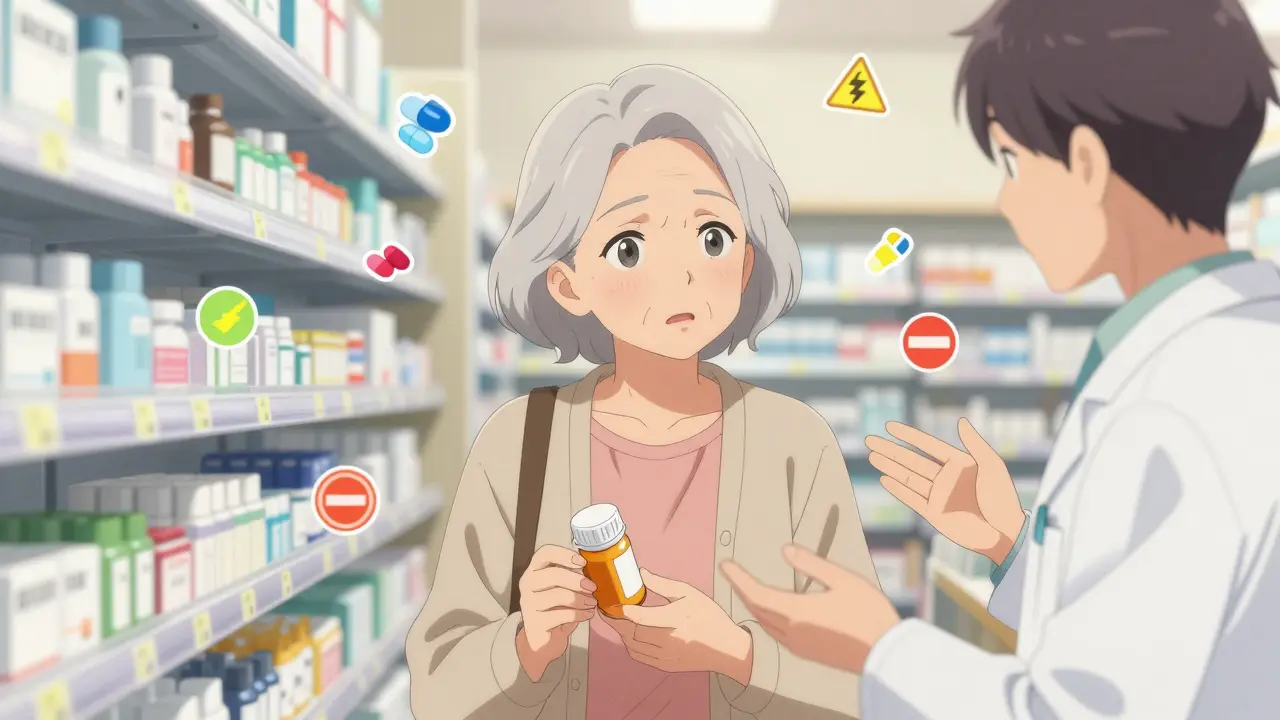
Not everyone reacts to medication-alcohol interactions in the same way. Age, gender, and underlying health conditions play significant roles in determining susceptibility. Older adults, particularly those aged 65 and above, are at heightened risk due to age-related physiological changes. As we age, our liver function declines, and our body water content decreases. This means that alcohol stays in the bloodstream longer and reaches higher concentrations. Additionally, older adults often take multiple medications, a practice known as polypharmacy. The CDC’s 2022 National Health Interview Survey found that adults over 65 fill an average of 14 prescriptions annually, with 82% reporting at least one potentially dangerous alcohol-medication combination. The Beers Criteria, updated in 2019 by the American Geriatrics Society, lists 30 medications that should be avoided in older adults due to these risks, including benzodiazepines and first-generation antihistamines.
Women also face elevated risks compared to men. Biological differences mean that women typically have lower body water content and less of the enzyme alcohol dehydrogenase, which breaks down alcohol in the stomach. Consequently, women achieve higher blood alcohol concentrations than men after consuming equivalent amounts of alcohol. This intensifies the impact of any concurrent medications. For instance, women may experience more pronounced sedation from antihistamines or greater liver stress from acetaminophen at lower doses.
Individuals with co-occurring mental health disorders and substance use disorders are another high-risk group. The Substance Abuse and Mental Health Services Administration (SAMHSA) reports that these individuals experience alcohol-medication interactions at rates 3.5 times higher than the general population. Medications for ADHD, such as Adderall or Ritalin, can cause worsened heart problems and poor concentration when mixed with alcohol. Selective serotonin reuptake inhibitors (SSRIs), commonly prescribed for depression and anxiety, can see their effectiveness diminished by alcohol, which is itself a depressant. This can lead to a vicious cycle where the patient drinks to cope with worsening symptoms, further undermining their treatment.
Practical Safety Guidelines and What to Do
So, how do you navigate this minefield? The first step is open communication with your healthcare providers. Doctors and pharmacists are trained to identify potential interactions, but they need accurate information about your alcohol consumption habits. The NIAAA recommends that healthcare professionals use the AUDIT-C screening tool during consultations, but you can initiate this conversation yourself. Ask specifically: "Can I drink alcohol while taking this medication?" and "How long should I wait after my last dose?"
Read the medication label carefully. The FDA requires alcohol interaction warnings on approximately 100 prescription medications and 700 over-the-counter drugs. Look for phrases like "may cause drowsiness," "avoid alcohol," or "take with food." If the label is unclear, consult your pharmacist. They are the most accessible experts on drug interactions. For diabetes medications, the rules are strict. Patients taking sulfonylureas should avoid alcohol entirely due to a 300% increased risk of hypoglycemia (dangerously low blood sugar). Those on metformin should limit consumption to no more than one standard drink per day to avoid lactic acidosis, a rare but serious condition.
If you suspect you have experienced a negative interaction, seek medical attention immediately. Symptoms can range from mild discomfort to life-threatening emergencies. Signs of liver distress include yellowing of the skin or eyes (jaundice), dark urine, and abdominal pain. Signs of CNS depression include extreme drowsiness, confusion, slow or shallow breathing, and difficulty waking up. In cases of suspected overdose, call emergency services right away. Do not wait to see if symptoms improve. Time is critical in preventing permanent organ damage or death.
Finally, consider alternative strategies for managing stress or pain that do not involve alcohol. Since many people turn to alcohol to unwind, finding healthier coping mechanisms can reduce the temptation to mix it with necessary medications. Exercise, meditation, or talking to a friend can provide relief without compromising your health. Remember, your medication is there to help you heal or manage a condition, not to create new problems. By respecting the power of both alcohol and pharmaceuticals, you can protect your well-being and ensure your treatments work as intended.
How long should I wait after taking medication before drinking alcohol?
The waiting period depends entirely on the specific medication and its half-life. For antibiotics like metronidazole, you should wait at least 72 hours after your last dose. For painkillers like acetaminophen, it is best to wait until the alcohol has completely left your system, which can take several hours per standard drink. Always consult your pharmacist for precise timing based on your prescription.
Can I drink beer or wine with ibuprofen?
It is not recommended. While occasional, light consumption might not cause immediate harm for healthy individuals, combining alcohol with ibuprofen significantly increases the risk of gastrointestinal bleeding and stomach ulcers. The irritation to the stomach lining is additive, making the combination risky even in moderate amounts.
What happens if I drink alcohol with antidepressants?
Alcohol is a depressant and can counteract the therapeutic effects of antidepressants like SSRIs (e.g., Prozac, Zoloft). It may worsen symptoms of depression and anxiety, increase impulsivity, and enhance side effects such as drowsiness or dizziness. Long-term mixing can reduce the overall effectiveness of your treatment plan.
Are there any medications that are safe to take with alcohol?
Some medications have low risks of interaction, such as certain statins or blood pressure meds, but "low risk" does not mean "no risk." Alcohol can still affect blood pressure levels or liver function. Never assume safety without verifying with a healthcare professional, as individual health factors vary widely.
Why is mixing alcohol with opioids so dangerous?
Both alcohol and opioids depress the central nervous system, particularly the part of the brain that controls breathing. When combined, they create a synergistic effect that can rapidly suppress respiratory function, leading to unconsciousness, respiratory arrest, and death. This is a leading cause of accidental overdose fatalities.
